Tag Archives: food

Grilled Butternut Squash

28 Nov

This simple recipe for grilled butternut squash is another Padushi special, straight out of his crumbling crazy-ass diet (for new readers, the crazy-ass diet is some sort of vegan-gone-completely-over-the-edge thing that consists primarily of carrots, beets, and potatoes, and doesn’t let you combine veggies that grow above the ground with veggies that grow below the ground in the same meal. Don’t ask.)

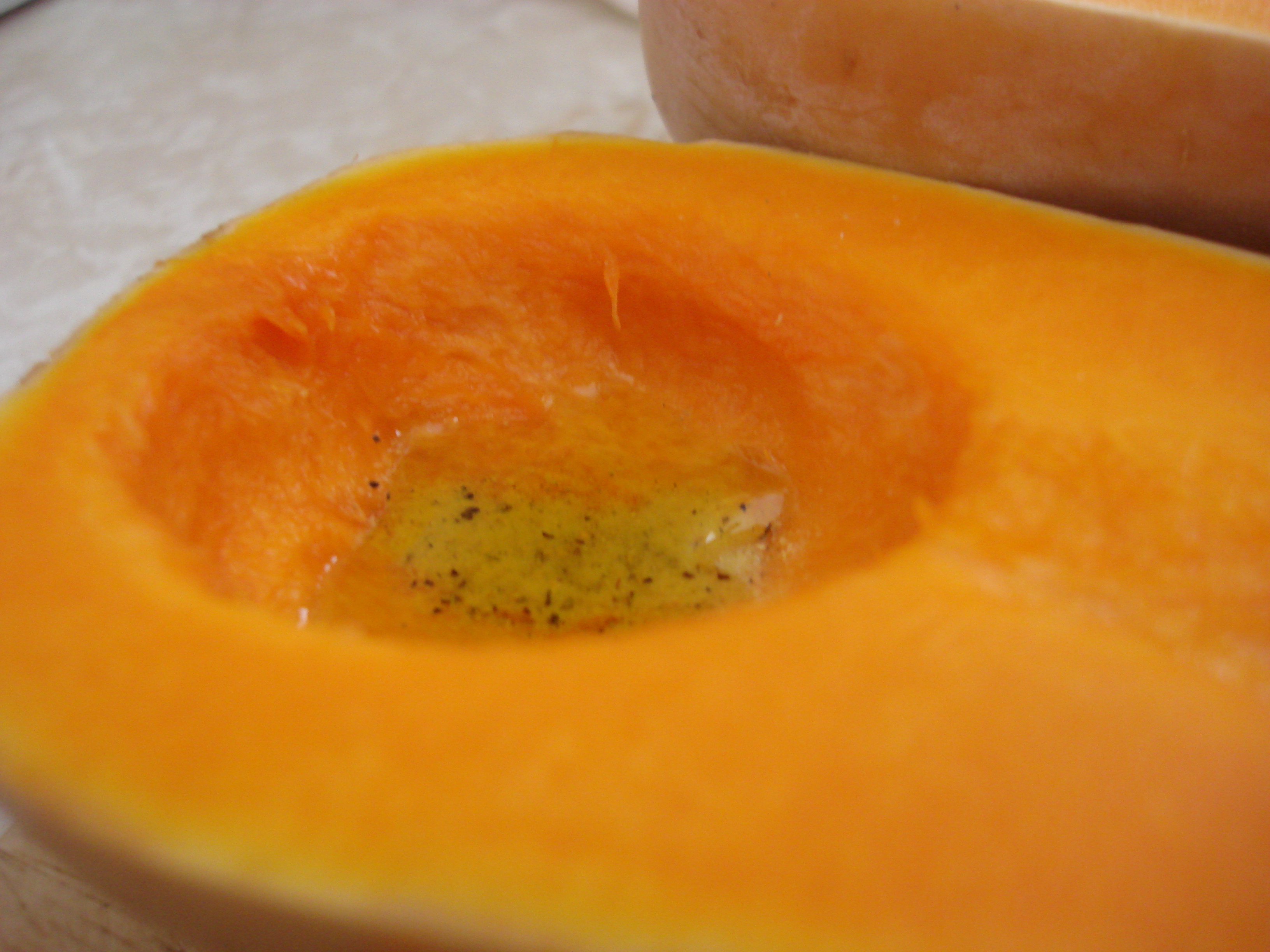
Use the seed well to mix the oil and spice

He is, thankfully, no longer strictly on it anymore, although there are still moments of madness.

Much of what he made for the crazy-ass diet was okay eating. Some of it was just this side of edible. But this recipe, which takes the unusual step of grilling the squash, is really delicious in its own right.

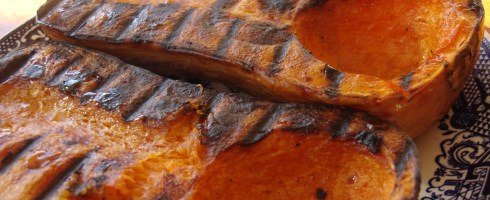
Great grill marks!

It was especially handy during the power outages following Hurricane Sandy, as butternut squash, a native American squash in the Cucurbita family, is in season, doesn’t need refrigeration and the grill runs on propane, independent of nationalgrid and LIPA. We have the power back, but grilled butternut squash is delicious any time! It also has loads of vitamins (especially A) and minerals (like potassium)

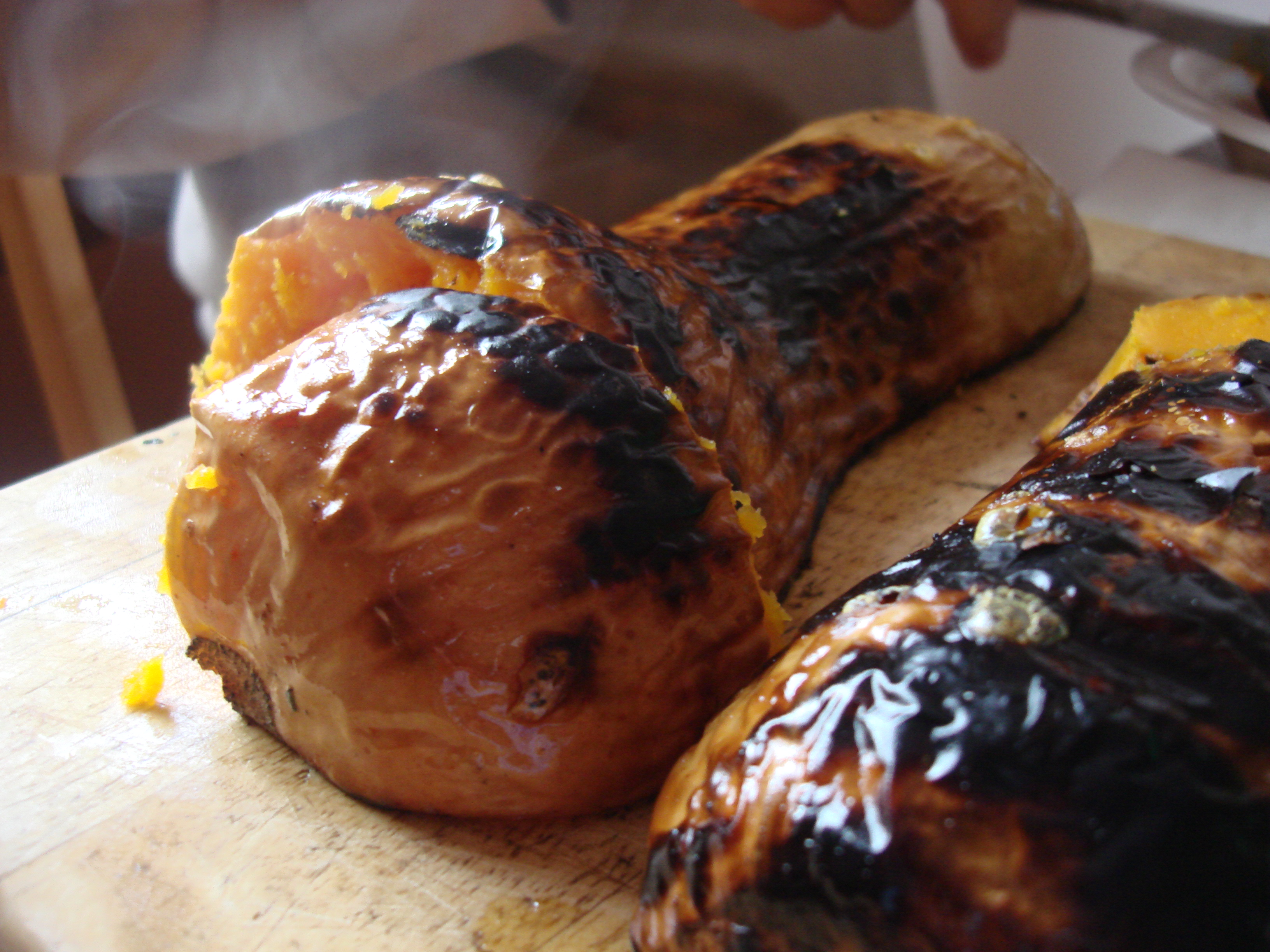
Creamy inside, smoky outside!

Grilled Butternut Squash

1 butternut squash

1 tsp olive oil

1 tsp Adobo powder or salty seasoning of your preference (something curried would be nice!)

Heat the grill to high.

Slice squash in half lengthwise and clean out the seeds. Discard seeds or clean, dry and roast for a separate snack.

Pour half the oil and half the seasoning into the bowls of each squash half. Using hands, mix the oil and seasoning, then spread evenly over the entire squash, including skin.

Put on hot grill, skin side first, and close grill. Cook until a fork will easily pierce all the way through (about 30 minutes), turning onto flesh side about halfway through cooking.

You may also like:

Grilled Potato Disks: Like Fries Only Better

Grilled Lamb Chops and Sauteed Calabaza Pumpkin

Grilled Steak and the Secrets of Spice Rub Penetration

Perfect Grilled Fish

Butternut Squash Bisque and Pepitas!

Smoked Salmon on Toast (an excuse to discuss salmon choices)

26 Nov

This is not really a recipe.It’s much more about making informed seafood choices, as you will see.

For our weekend breakfasts we:

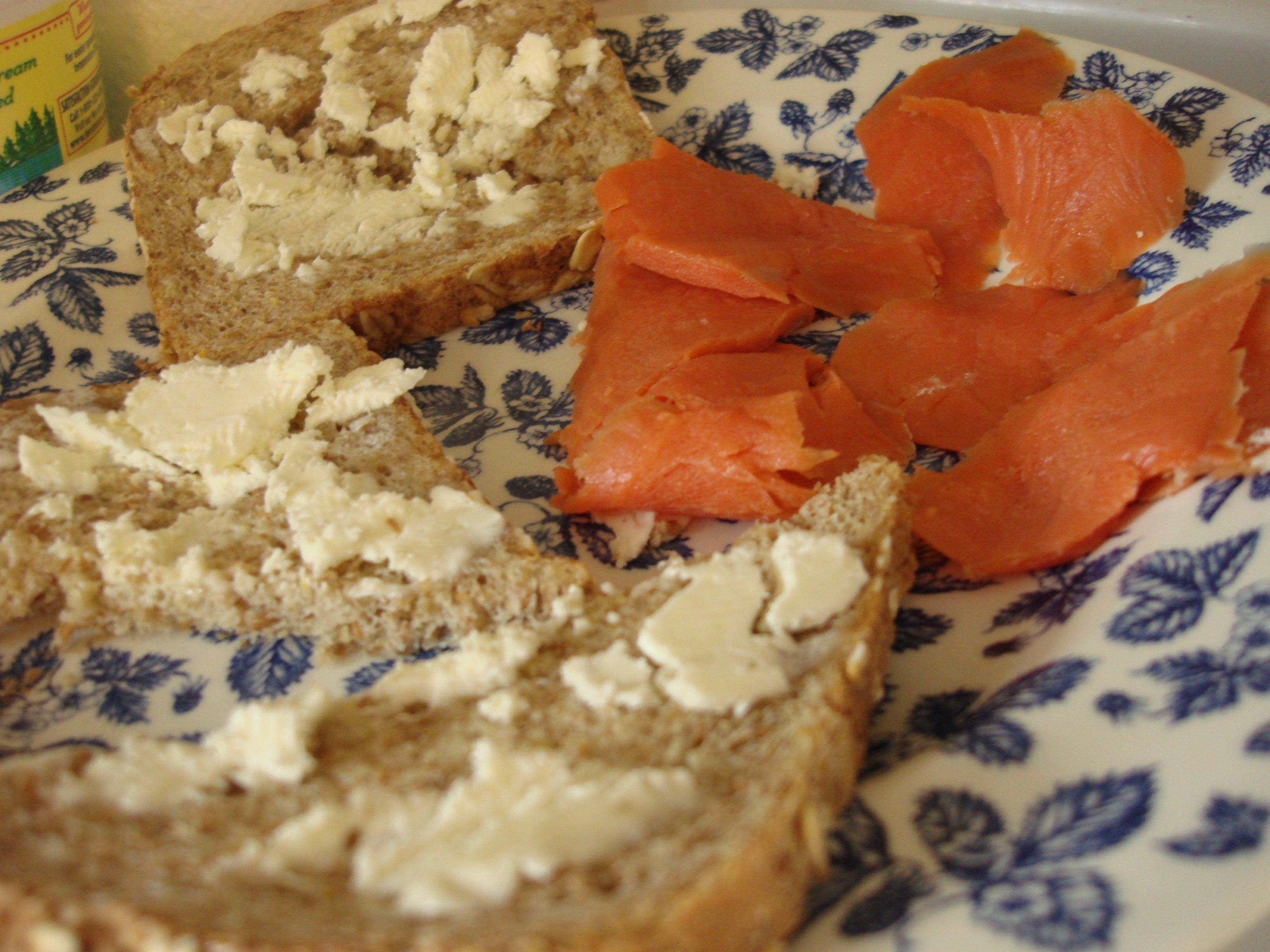
Leandro’s plate of smoked salmon

Toast bread slices, spread with butter, pile on the smoked salmon on the side for Leandro.

Toast less bread, spread with butter, pile on the smoked salmon, a half teaspoon of finely chopped onion, and a half teaspoon of drained capers (drain well, as the caper juice will overpower the salmon) for me. You could also dollop on the sour cream or dab a bit of cream cheese.

That’s it.

What this really is is a chance to talk about selecting salmon.

Continue reading

About that gravy. (Roast turkey and gravy, pavochón-style)

25 Nov

Let’s start by saying that I did NOT screw up the gravy this year. (Click here for last year’s debacle). In fact, it was smooth, fragrant and delicious.
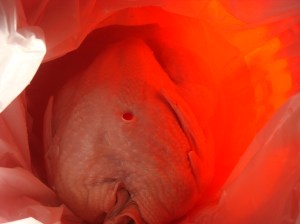
Brining the turkey requires just a bucket, a trash bag, salt and water. The difference it makes is amazing!

However, (you knew this was coming) it was also too damn salty.  But… Pedro’s turkey, duly brined and seasoned Puerto Rican-style, was juicy, tasty and all around wonderful. And I have worked out why and the gravy recipe (which may very well be repeated at Christmas, and certainly next Thanksgiving) has been modified accordingly.

Leandro mashed up the adobo

So what happened with the gravy?

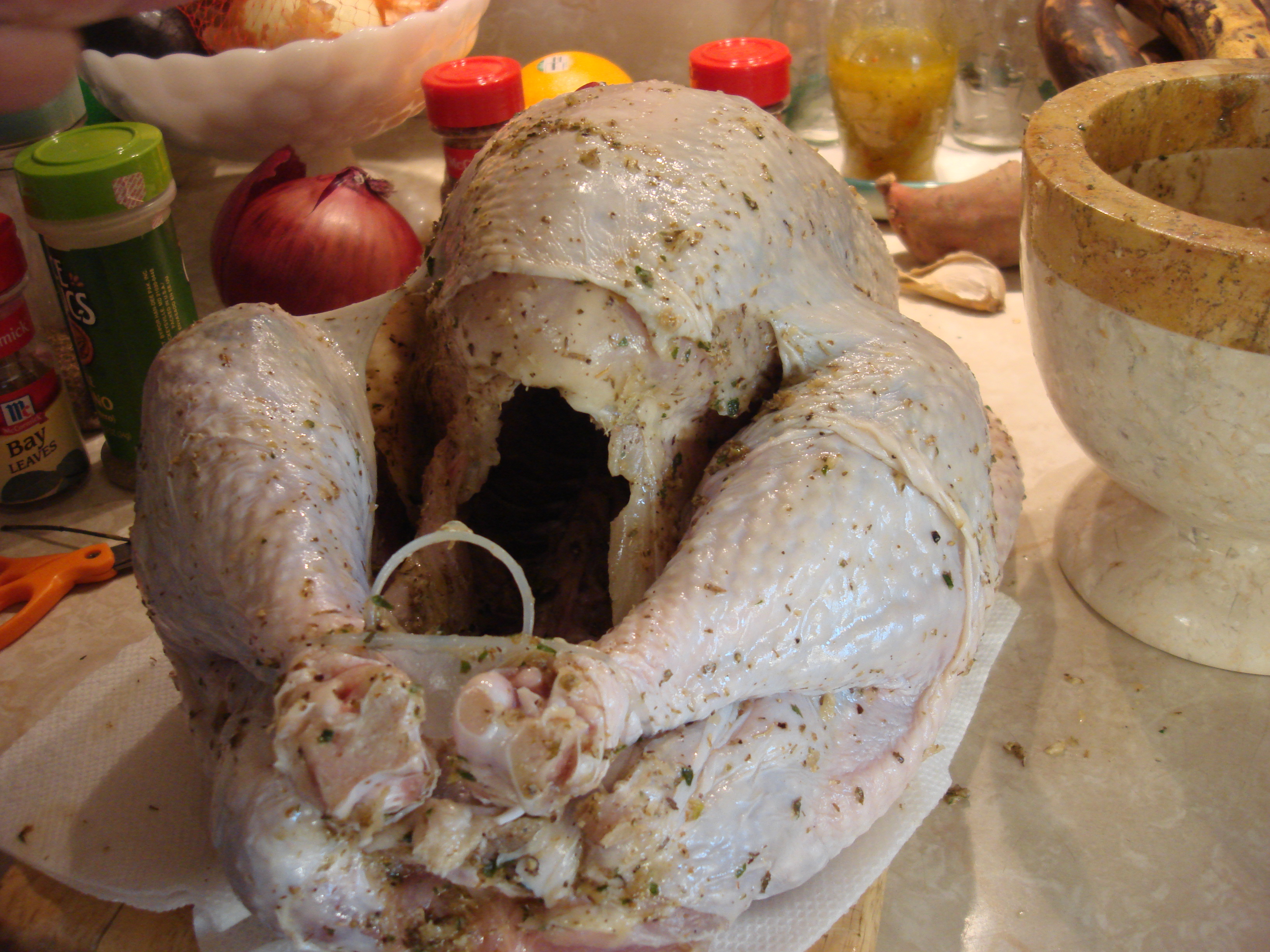
Pedro really gets in there with the adobo

Two things. Usually to make the turkey stock I add my own home-made chicken stock which has little or no salt additional to whatever salt the carcass I used brought with it, or I buy low-sodium stock to simmer in conjunction with the turkey necks. This time, I used store-bought chicken stock with all the salt, thereby adding salt where none was needed.
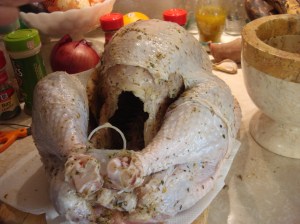
Trussed and oven-ready

Two, the pavochón-style spice rub (adobo) that is actually a recipe for roast pork/roast suckling pig modified for turkey is saltier than what we usually prepare (and Pedro cut the amount recommended in the classic Cocina Criolla by Carmen Aboy de Valldejuli in half!).
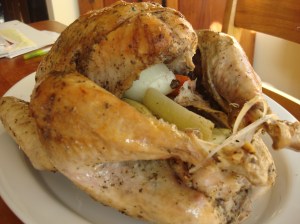
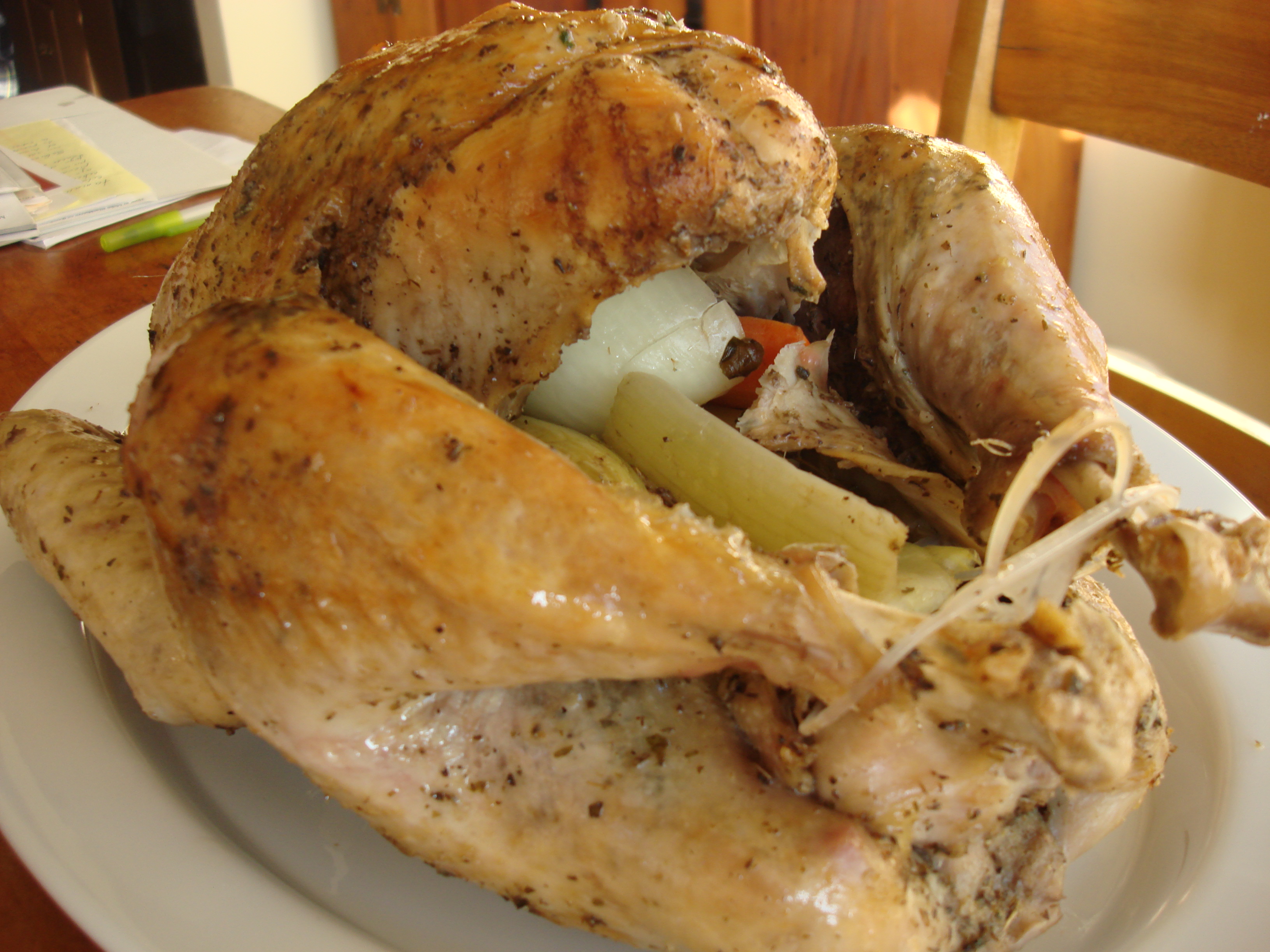
And…a beautiful pavochón!

The turkey was perfectly salted, but the pan juices that I relied on for the gravy were much saltier than I anticipated. So, live and learn.

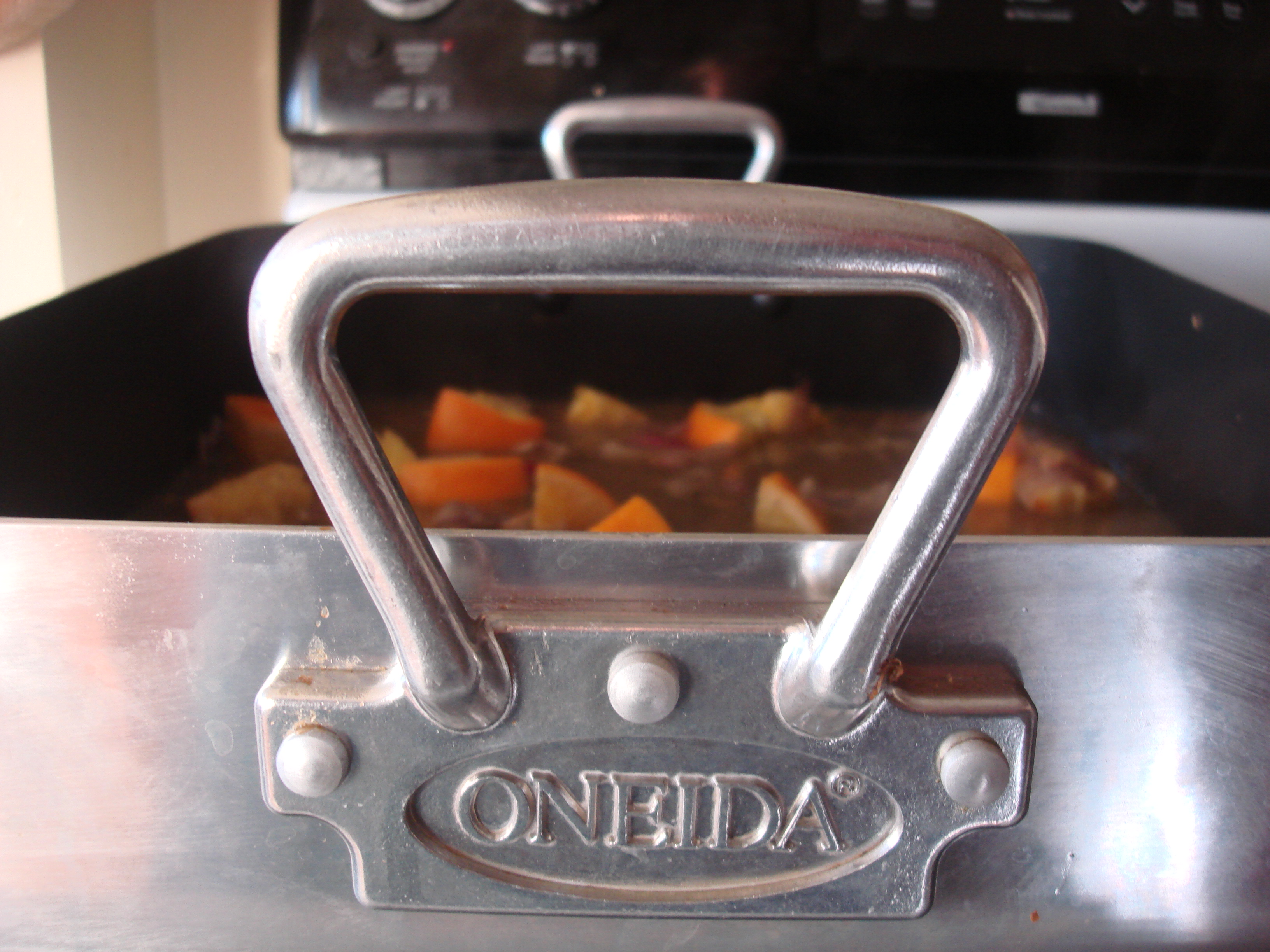
Pan juices on the stove for deglazing

The solution? The next time we make this particular adobo, I will make sure that I have my own no-salt stock laid by for the gravy.

Smooth, baby. Smooth.

And this time, at least, my mom didn’t have to bust out the jar of gravy. I think this time she didn’t even buy one. I appreciate the vote of confidence.

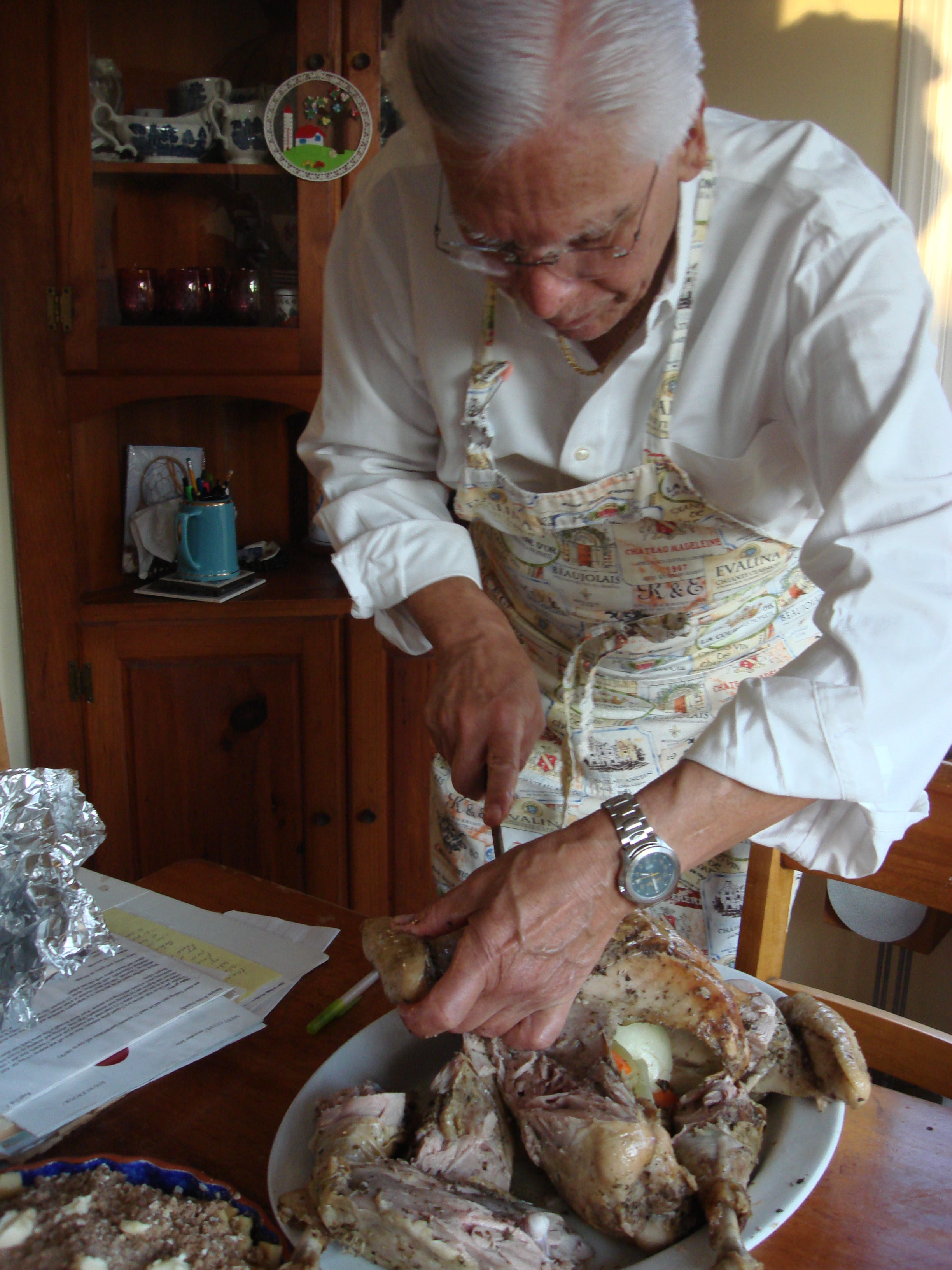
The Surgeon at Work

Roast Turkey, Latin-style (Pavochón)

Overnight, brine a 10-12 lb turkey, quills removed and neck and giblets (excluding liver!) reserved for making stock. (8 quarts water, 2 Cups kosher salt in a bucket lined with a trash bag. Keep chilled overnight)

In a large mortar and pestle, mash:

3 large cloves garlic, peeled and roughly chopped

20-25 peppercorns

Add:

1.5 Tbs oregano (dry)

1Tbs oregano (fresh or just add another half Tbs dry)

6 tsp coarse kosher salt (1/2 tsp per pound)

4 Tbs extra virgin olive oil

Additional ingredients for the turkey cavity:

1 stalk celery, snapped in half

1 carrot, peeled, and sliced in half

1 onion, peeled and cut into chunks

1 bay leaf

Additional ingredients for the gravy:

1 navel orange, peel on, chopped into chunks

1 red onion, peeled, chopped into rough chunks

1 Tbs butter, softened

1 tsp extra virgin olive oil

4 Cups turkey stock (as low in salt as possible)

1/3 Cup all-purpose flour

Instructions

Preheat the oven to 450°F.

Use the ingredients in the mortar and pestle to season the inside and outside of the bird and under the skin. Leave some of the spice paste in the mortar and pestle and add additional oil; you will be using this for basting.

Stuff the turkey with the ingredients for the cavity. Tie the drumsticks together and pin the wings to the body with small skewers.

Put the turkey on a rack set in a large flameproof roasting pan and roast in the center of the oven for 30 minutes.

While turkey is roasting, toss the orange chunks and onion in the butter and oil listed under gravy ingredients.
Reduce the oven temperature to 350°F. Brush more spice paste (adding oil if necessary) all over the bird. Put the orange chunks and onion underneath the rack (this will season the pan juices which you will need for the gravy) and return the turkey to the oven, basting every thirty minutes until an instant read thermometer inserted into the fleshy part of the thigh reads 170°F.

Important note: We also had a pop-up thermometer in the breast, which popped up waaaaay before the thighs were cooked (a typical problem and the reason why the breast on roasted whole turkey is often dry and overcooked. We simply turned the turkey over onto the breast and kept roasting, sacrificing crispy skin for juicy breast. You decide what you want – we may actually cook the bird in pieces next year – but having two different thermometers for the two major zones of the bird was very helpful).

When the bird is done (total roasting time is 1.5-2 hours), remove and discard the vegetables in the cavity and let the bird rest on a platter for an hour before slicing.

Gravy (do this right away so the liquids are still hot)

Transfer the pan juices (with oranges and onions) to a 2-quart glass measure, then skim off and reserve ¼ Cup fat.

Add enough turkey stock to bring the pan juice level to 4.5 Cups.

Set roasting pan across two burners, add one cup of the pan juice mixture and deglaze pan over moderately high heat, scraping off any brown bits. Add the rest of the pan juice mixture and bring to a simmer. Strain through a fine sieve back into your 2-quart glass container and discard the onions and oranges.

In a heavy saucepan, whisk the reserved fat and flour together and cook at medium low, whisking, for about 3 minutes. Then add hot pan juice mixture in a fast stream, whisking constantly to prevent lumps, then simmer, whisking occasionally, for about 10 minutes, until thickened. Salt to taste (but we didn’t need ANY additional salt. We needed LESS salt!)

Serve turkey with gravy on the side.


An International Student Thanksgiving!

24 Nov

Many of you know that in my other life I am a full time instructor of English as a Second Language at a community college. My students come from all over the world representing numerous languages, nationalities, ethnicities, and religions.

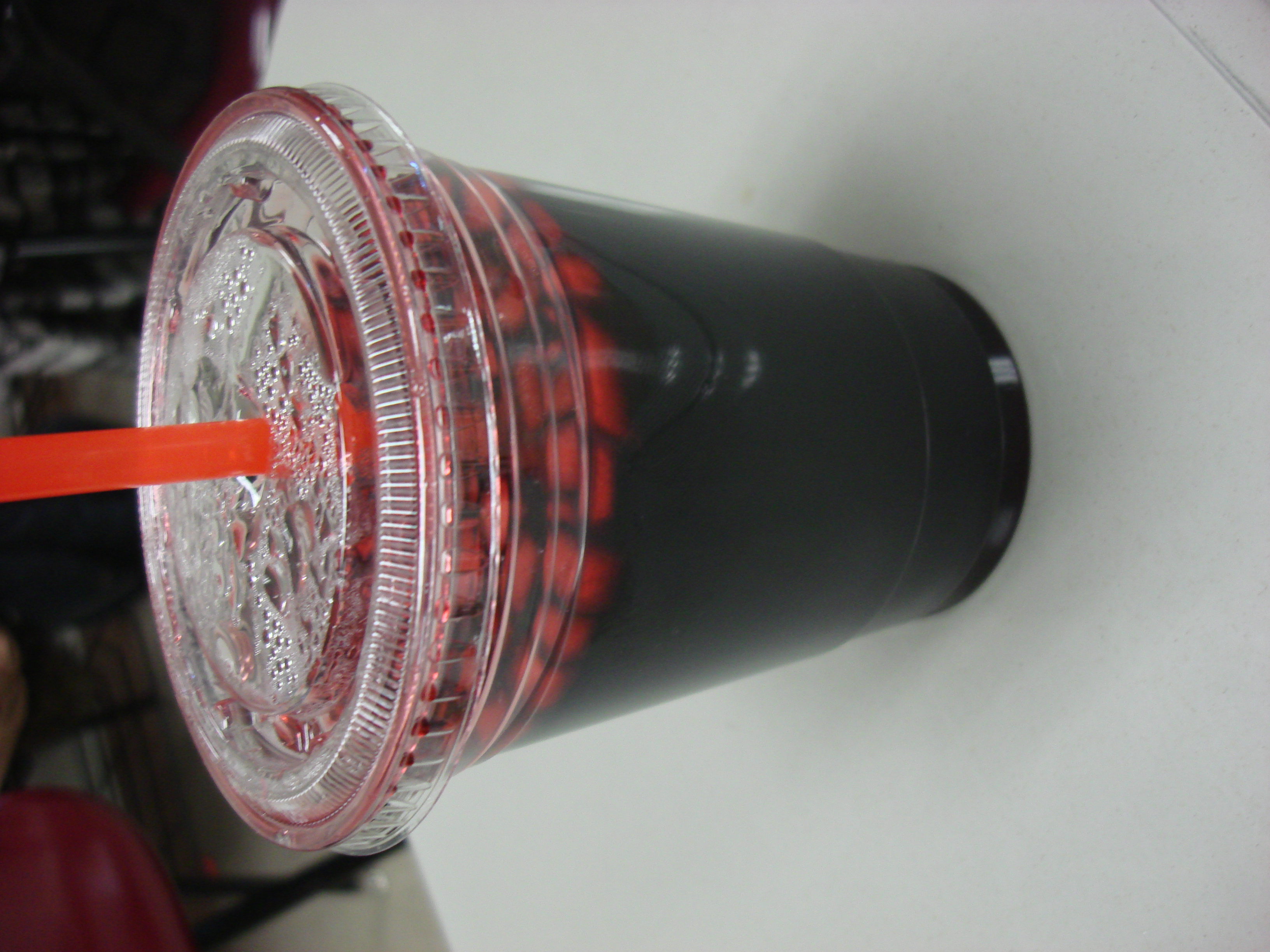
Chicha, Peru. This is a beverage made of purple corn and seasoned with cinnamon. A revelation in holiday beverages (no alcohol, but certainly has the potential to make a delightful cocktail!)

Since it is an intensive immersion program, we spend a lot of time together in the course of a semester. Twenty hours a week for fifteen weeks, in fact.

Fish cutlets, India. Dense, yet creamy croquettes with a flavor that is not too fishy, but robust.

So it is wonderful to be able to share that most American and most inclusive of holidays — Thanksgiving — with all of them.

Foreground: Griot, Haiti. Pork shoulder deliciousness, with savory vegetables like onion and peppers and a spicy sauce. Center: Indian fish cutlets. Back: empanadas.

It reminds me of just what a true celebration of America, its achievements, and its possibilities, Thanksgiving is.

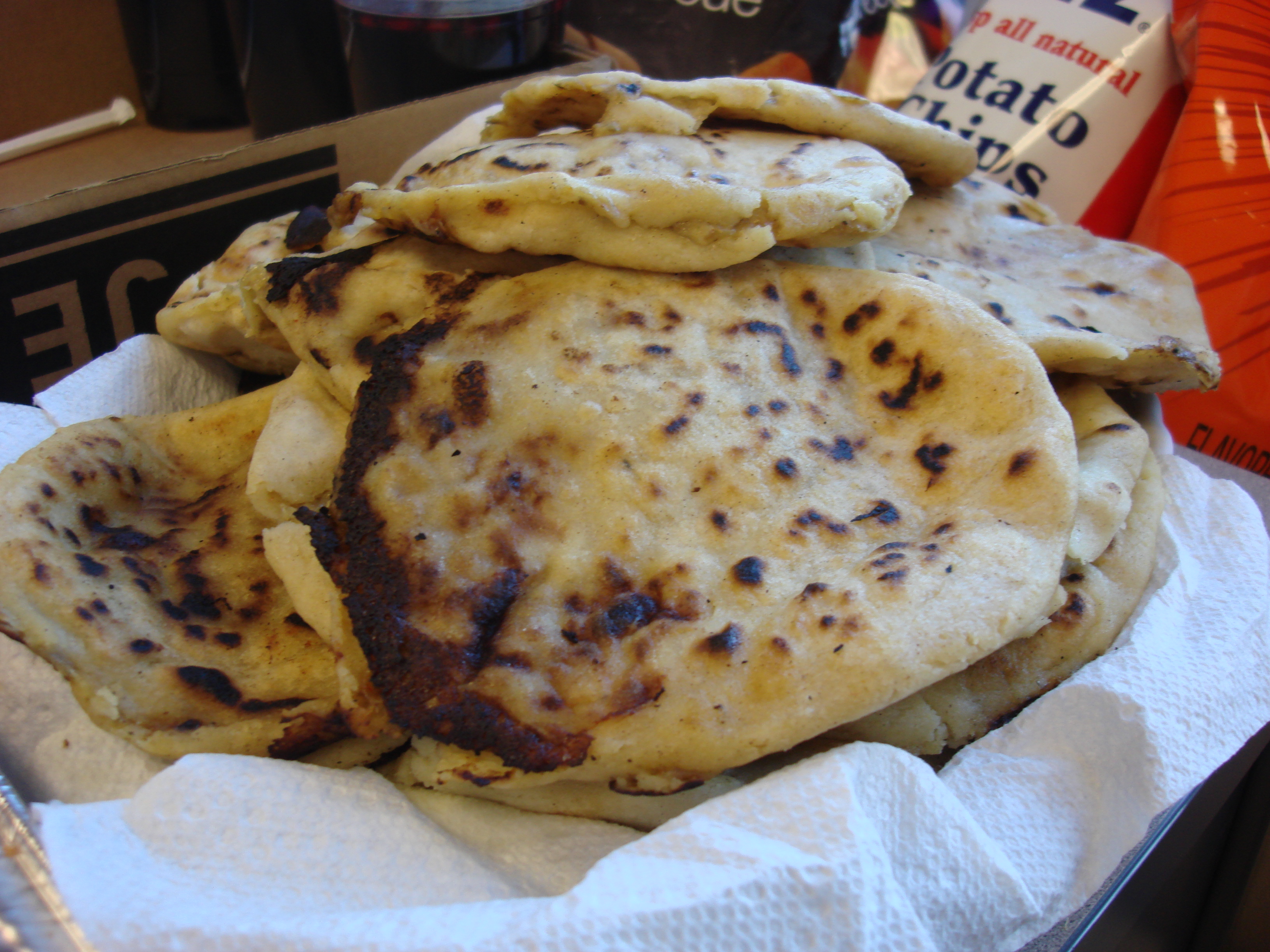
Pupusas, El Salvador (sort of a thick, soft tortilla or arepa, stuffed with cheese, sometimes beans or meat, and topped with a Salvadoran cabbage slaw)

So after a major in-class essay-writing assignment (which I still have to grade before Monday. Yikes!), we unwrapped our potluck offerings, did a little heating up in the office microwave, (one student even plugged in her slow cooker!), and tucked in.

Top: empanadas (I am not sure where these are from actually: Perhaps one of the student who reads the blog can tell me so I can fix this?), popular all over Latin America, they are meat, cheese, or pizza stuffed pastries, and bottom, sugared peanuts from Angola.

We should’ve brought hammocks too; after this incredible feast, we had the classic Thanksgiving hangover: food coma and barely dragged ourselves through the History Channel Thanksgiving lesson.

Oven-roasted chicken, El Salvador. This was falling off the bone, juicy and delicious!

So today I am showing you some images of the feast – not the students, because I didn’t ask their permission to put their pictures on-line!

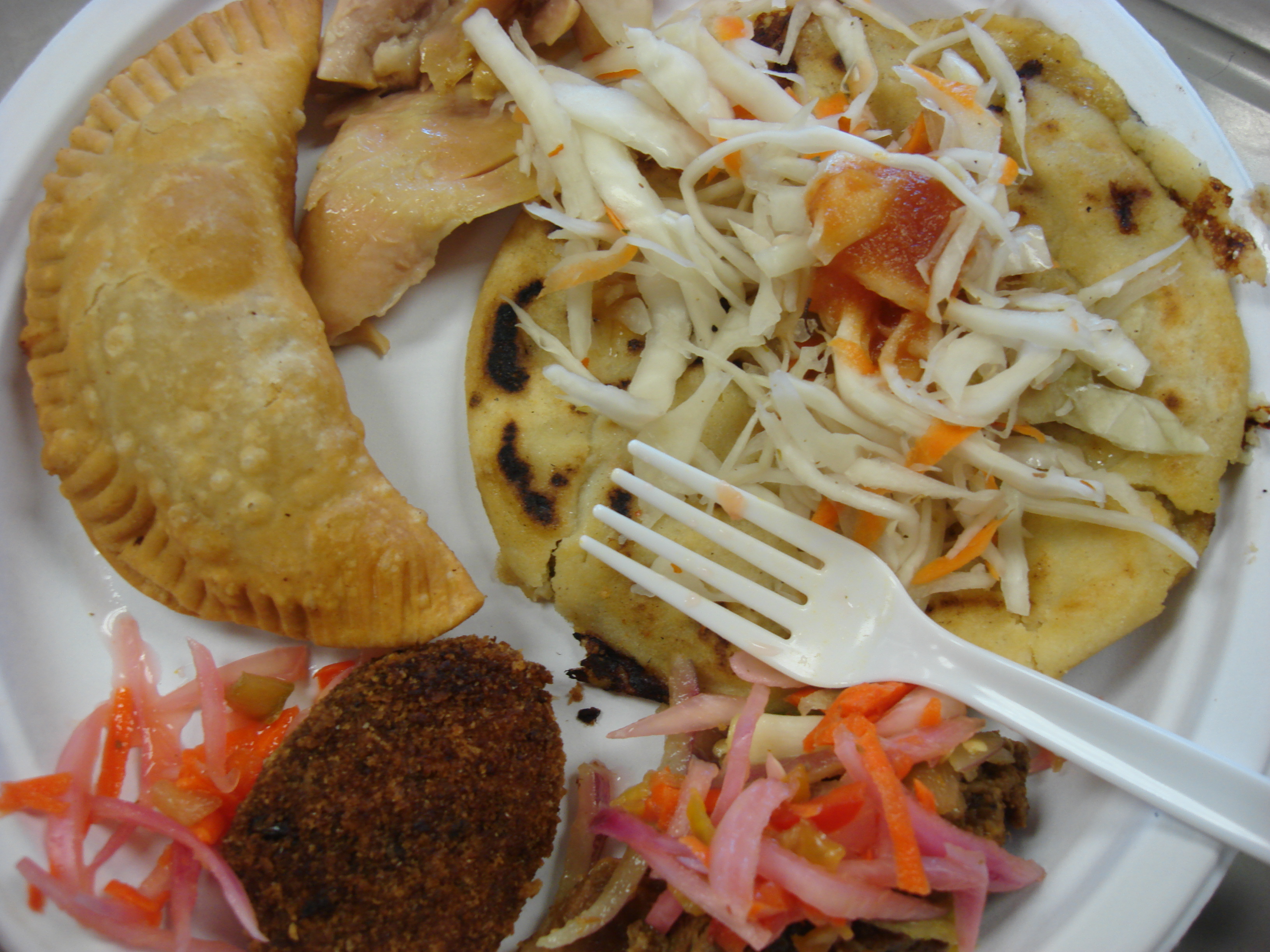
My plate!

Thanks to my wonderful, hard-working, inspiring, and fun students for this feast, especially the ones who cooked!


I will NOT screw up the gravy this year; luscious turkey stock in progress
22 Nov

Regular readers will know that I disgraced myself last Thanksgiving by ruining the stock for the gravy; I put the liver in and rendered the stock (and the air in my kitchen) utterly disgusting. My mom triumphantly saved the day with a jar of gravy and I was mortified on many levels.
Leandro shows off as he pounds the turkey spice rub

That is not going to happen this year, thus this real time post to give you my stock recipe and let you know things are progressing fine! Continue reading

Yes, You Should Brine Your Farm-Raised Turkey. Here’s How.

21 Nov

“Why don’t you just get a Butterball and be done with it?” says my brother, or my sister-in-law, or my mother at some point every Thanksgiving or Christmas. “Why do you have to make everything so complicated?”

Indeed.

My immediate family – not unreasonably – often finds my and my dad’s insistence on getting a farm-raised bird expensive, unneccessary and annoying. They are probably right. You have to order ahead. You have to spend $3 or $4 a pound more. You have to go pick it up (although turkey pick-up at Restoration Farm involves seasonal festivities that some people need a designated driver for). And yes, you really need to brine it. Continue reading

Sauteed Brussels Sprouts: Pedro’s Latest Variation and Our Choice for Thanksgiving

19 Nov

We’ve been experimenting with Brussels sprouts for Thanksgiving dinner. Should we go with an old favorite? Or try something new and potentially disastrous? (which brings to mind some awful lip-puckering lemony thing I did a few years ago which was only just edible. Of course I ate it out of a sense of guilt and starving-children-in-Ethiopia-so-eat-that-you-overprivileged-ingrate virtue, but it has left me a bit gun-shy)

Bubbling Brussels sprouts, Batman!

Then Pedro (the Dad) started experimenting with this recipe (similar to a Spanish one we have done often) and we are all hooked. He has done it enough so we feel confident that on the day either of us could make it delicious! It is easy, tones down any strong Brassica cabbage-y flavors, and can be done on the stovetop, so doesn’t take up valuable turkey and stuffing real estate in the oven.

Onions are the new ingredient in this adaptation of Spanish-style sauteed Brussels sprouts.

What are you doing for Thanksgiving sides? Inquiring minds want to know…

A bit mushier than current fashion, methinks, but keep cooking for that sweetness!

Tangy Sauteed Brussels Sprouts

1/2 lb. Brussels sprouts, bottom trimmed (just take off a thin slice) and any ugly outer leaves removed

6 Cups water

1 Tbs coarse salt

1 small onion, peeled and sliced into rings

1/2 tsp chopped garlic

1 Tbs extra virgin olive oil

3 pinches salt (to taste)

freshly ground black pepper to taste

1 -2 generous Tbs red wine vinegar

In a pot put the Brussels sprouts, 1 Tbs salt, and the water. Bring to a boil, lower to a lively simmer and cook until tender (about 10-15 minutes).

Meanwhile, heat oil in a skillet big enough to eventually hold the Brussels sprouts. Add sliced onions and garlic and saute until wilted at medium low. Allow to caramelize a bit.

Drain Brussels sprouts and when they are cool enough to handle, slice in half and add to skillet along with about 3 pinches of coarse salt and a few grindings of black pepper. Stir to coat and continue cooking at medium low until slightly caramelized. Add red wine vinegar and cook down until evaporated and turning golden brown. Serve hot.

Arroz con Habichuelas Rosadas (Puerto Rican Rice and Beans – authentic/how to fake them)

15 Nov

Oh the sweet taste of victory!

My victory? My victory garden!

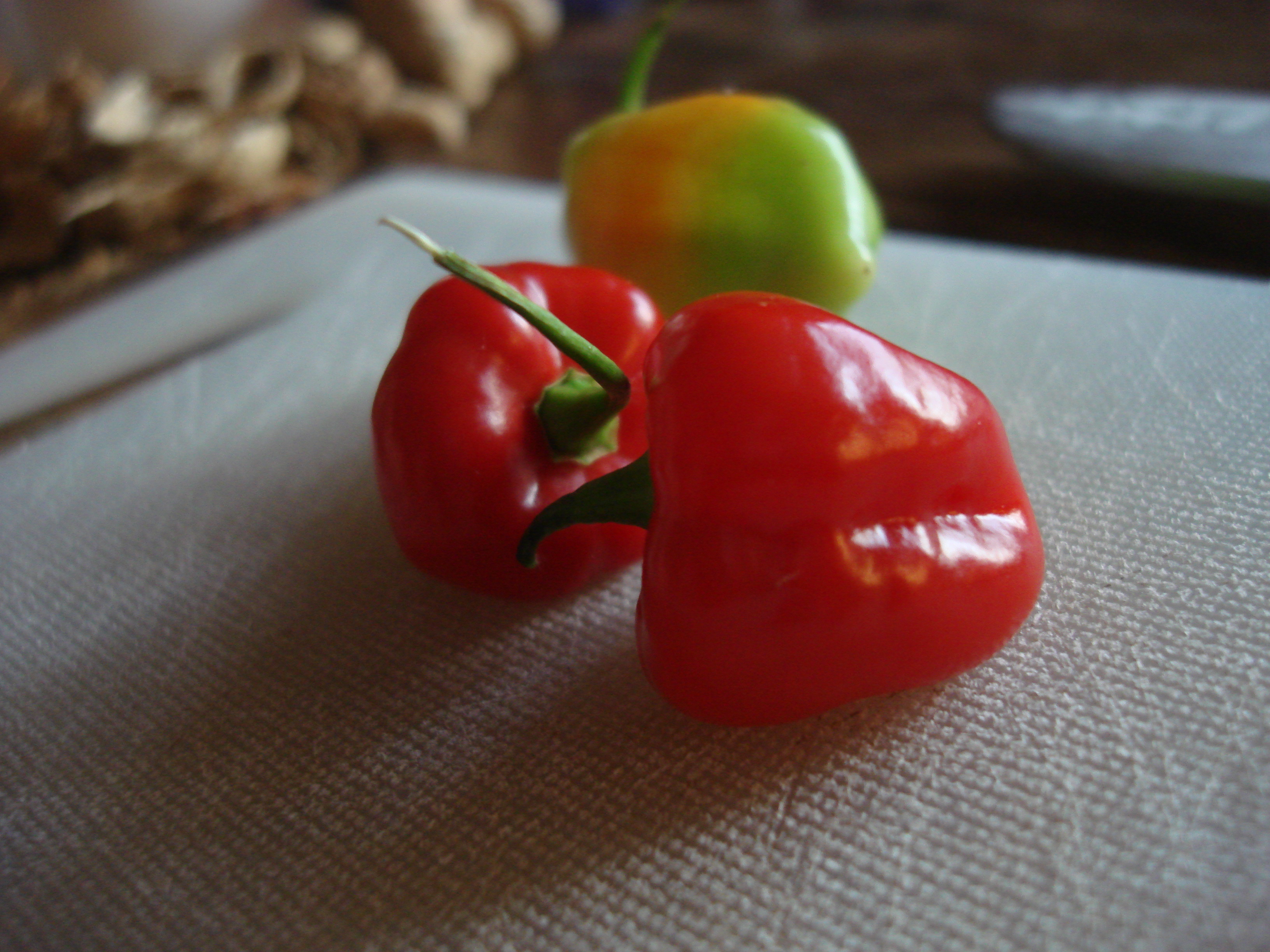
My little baby peppers

I managed to coax a couple of ajies (Capsicum chinense or sweet cooking peppers) from seeds that I saved from a pepper from my mom’s cousin’s kitchen garden in Mayaguez, to go with the recao (Eryngium foetidum or sawtooth coriander) that I grew from a seed packet from Puerto Rico. Next year I will be much more aggressive about how early I plant all my peppers, but for this year, the teeny-tiny-ness of my harvest does not diminish the absolute joy of it. Continue reading

Pasta e piselli (Pasta with Ham and Peas)

9 Nov

These Northeastern storms (Sandy and the nor-easter) have brought out the darker side of humor in many of us, as in “What next: plagues of locusts? Frogs?”

The Four Horsemen of the Apocalypse seem to have taken a liking to New York and environs; they are galloping through with thundering hooves and much of it is pretty horrible. Mind you, we are doing fine at my house, now that the power is back and school has started  – in fits and starts, actually, as sudden power outages have closed us down a few times. We are lucky!

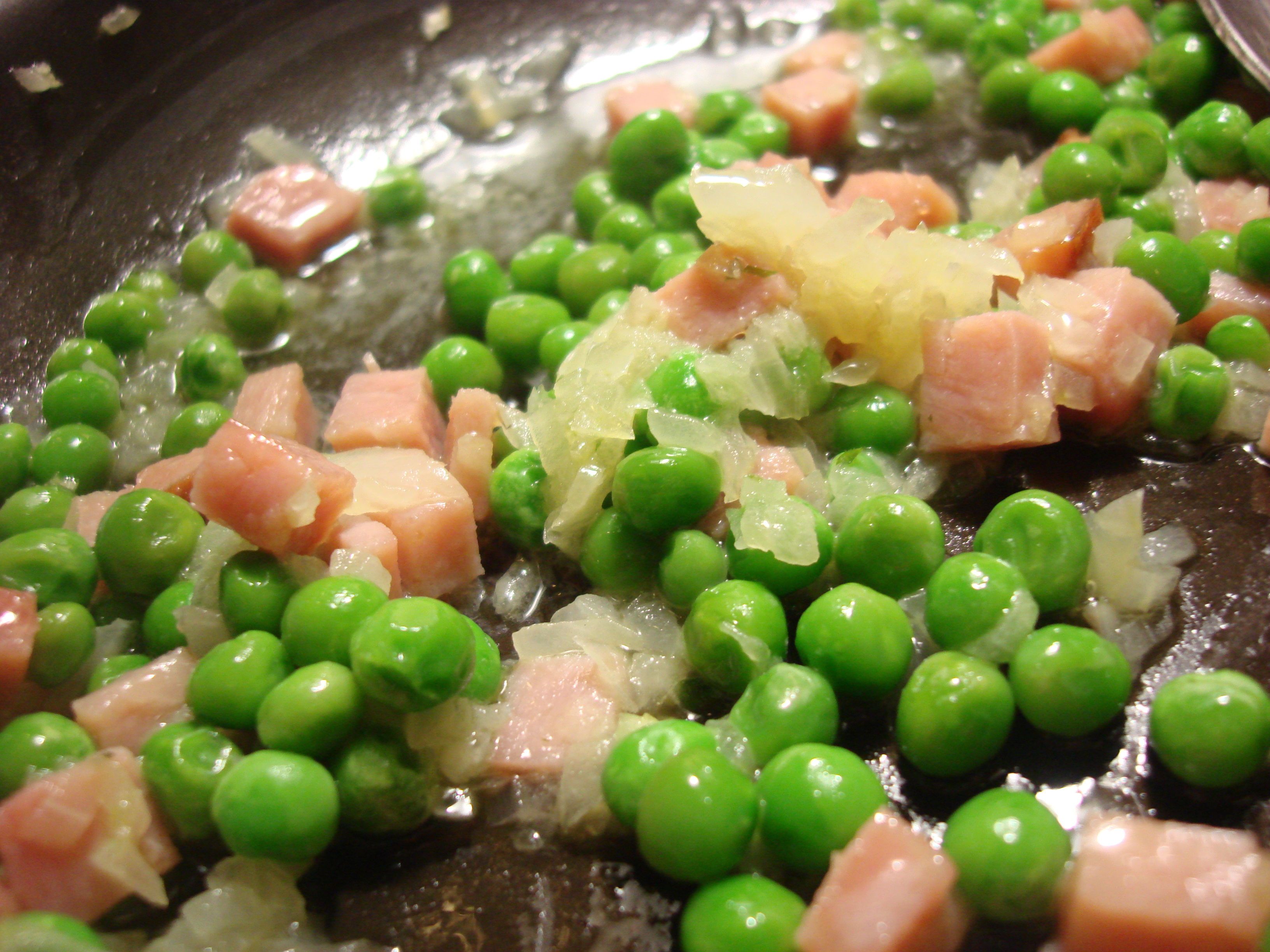
Easy-peasy ham and peas….

But we are striving for normalcy and for me normal is blogging about food. Continue reading

Sopa de pollo y fideos (pre-Sandy Chicken Noodle Soup)

4 Nov

Thanks to all those who sent messages of support before, during and after the storm. You are reading the words of someone who feels incredibly blessed; aside from losing power for a few days and a big branch down in the backyard, we came through pretty well. I was even able to attend a teaching conference in Albany (the capital of NYS) which was not affected by the storm, and present successfully with my colleagues from Thursday to Saturday; we were among the few who made it from downstate.

Big tree down in the backyard

Please lend a thought or prayer to the many who have lost lives, or homes, or peace of mind, who are still without power as the temperature drops, or don’t have clean water  or food to eat.

I go back to teaching tomorrow. We already know of one student in our program who lost his life. I am praying for him and his family, as well as hoping that none of our other students were so fatally affected.  I have only heard from three out of my nineteen students and am very anxious for their well-being. We’ll now see how we can help. Our students are immigrants and international students; certainly we will have to help the boy’s family raise the funds to send his body home. Continue reading