Tag Archives: food

Better Scrambled Eggs (another campsite cooking fave)

6 Jun

Rustic and Righteous

I love scrambled eggs anytime (and that includes lunch and dinner), but as a camping breakfast they are especially delicious (and quick and easy).

We managed to find some terrific organic eggs at a supermarket during our week out in Montauk; if you keep your eyes sharp in farm country, there is usually a farmstand that has something fresh and local.

You can tell an egg is very fresh if: 1) it stays completely on the bottom of a pot of water and 2) if the yolk is rounded (not flat) when you crack it open. IMPORTANT: If one end of the egg floats up it is quite edible, but less than fresh. If the whole thing floats, it’s rotten. While camping, eggs that are kept chilled will keep for about five days. And white eggs and brown eggs have no appreciable difference in nutritional value; some breeds lay brown eggs; some lay white. Brown eggs just look more virtuous and granola-y.

Here, the addition of herbs and cheese makes a plain egg breakfast memorable.

Scrambled eggs with herbs and cheese

(figure on 2-3 eggs per person, depending on appetites and whether you have accompanying bread/toast. If cooking more eggs, do not increase the oil and be scanty when you increase the milk)

1/2 Tbs olive oil

6 eggs

1 Tbs milk

1 tsp dried herbs (2 tsp if using fresh) I prefer straight oregano, but have also been charmed by Provencal-type blends. Thyme is lovely, as is parsley.

1/8-1/4 tsp salt (two pinches should do)

1 Tbs grated grana padano or parmigiano reggiano

Whisk (fork is fine) eggs lightly with milk and salt in a bowl. Heat the oil in a skillet until fragrant (a nonstick may need less oil). Pour in the eggs and lower heat. As  the egg mixture solidifies, sprinkle herbs and cheese evenly over. Then, gently drag a spatula over the mixture occasionally as the bottom cooks. Cook to your preference, moist or dry and serve, with bread if you’ve got. Bacon is probably an obvious accompaniment, but on my minimalist camping menu that wasn’t happening. Campers can also serve with prosciutto or a cured sausage and a handful of grape or cherry tomatoes.

Aglio, Olio e Peperoncino (adapted for campsite family meals)

5 Jun


Disclaimer: This is in no way an authentic version of the Roman classic dish of spaghetti with garlic, oil and hot red pepper flakes. I have lived in Italy, I have had (and made) the real aglio- olio….and it is sublime in its balance and simplicity. I am not trying to improve on perfection. I am just adapting it to my imperfect life!

My adaptation is also pretty sublime, simple and balanced, but it is definitely not the original. So with apologies to Patrizia and Sandro (whose agonized “No!” when he saw me add cheese to the dish once still reverberates in my head) and any other Roman who happens upon this recipe…here we go!

This is a version that I cooked up in 15 minutes this week at a windy beachside campsite on a propane camp stove for me and my pre-K camper (who has just — thank heavens — made the breakthrough to spicy food). So convenient and successful, I made it twice over the week. I also sometimes add broccoli crowns to the pasta water when there are about four minutes left in the boil

Aglio, olio e peperoncino (adapted for camping)

The classic Roman versión uses spaghetti, but that is currently too messy for my kid. I like a tube-y or curly pasta. For the purposes of our camp kitchen I used three-minute rotini – a pasta that boils up in three minutes. It is decidedly flabby compared to regular pasta, but was adequate for the less fussy camping life. I actually prefer Bionaturae’s organic whole wheat pastas in this dish; they add a nutty flavor that I like very much. This is also a one pot dish (except for the colander) which is great when you haven’t got running water!

Serves two, but is quite easy to double up

½ lb pasta of your choice (preferably spaghetti or something long and lean rather than scoopy. If you choose the broccoli option, penne is a good choice)

(one or two handfuls broccoli florets; optional)

2 Tbsp extra virgin olive oil

3 cloves garlic, minced

1/8 to ¼ tsp hot red pepper flakes

1/4 cup grated grana padano or parmigiano reggiano

Boil the pasta according to package instructions, making sure to salt the water well. If using broccoli, add to the pasta water 3-4 minutes before the pasta is fully cooked. Drain and reserve in a separate bowl or the colander. In the same pot that you cooked the pasta, add the olive oil, lowering heat to medium. When the olive oil is loose and fragrant, add the garlic and red pepper flakes (to taste) and stir around until the garlic is golden (not brown). Add the pasta (and broccoli) back to the pot and mix well, adding grated cheese. Serve!

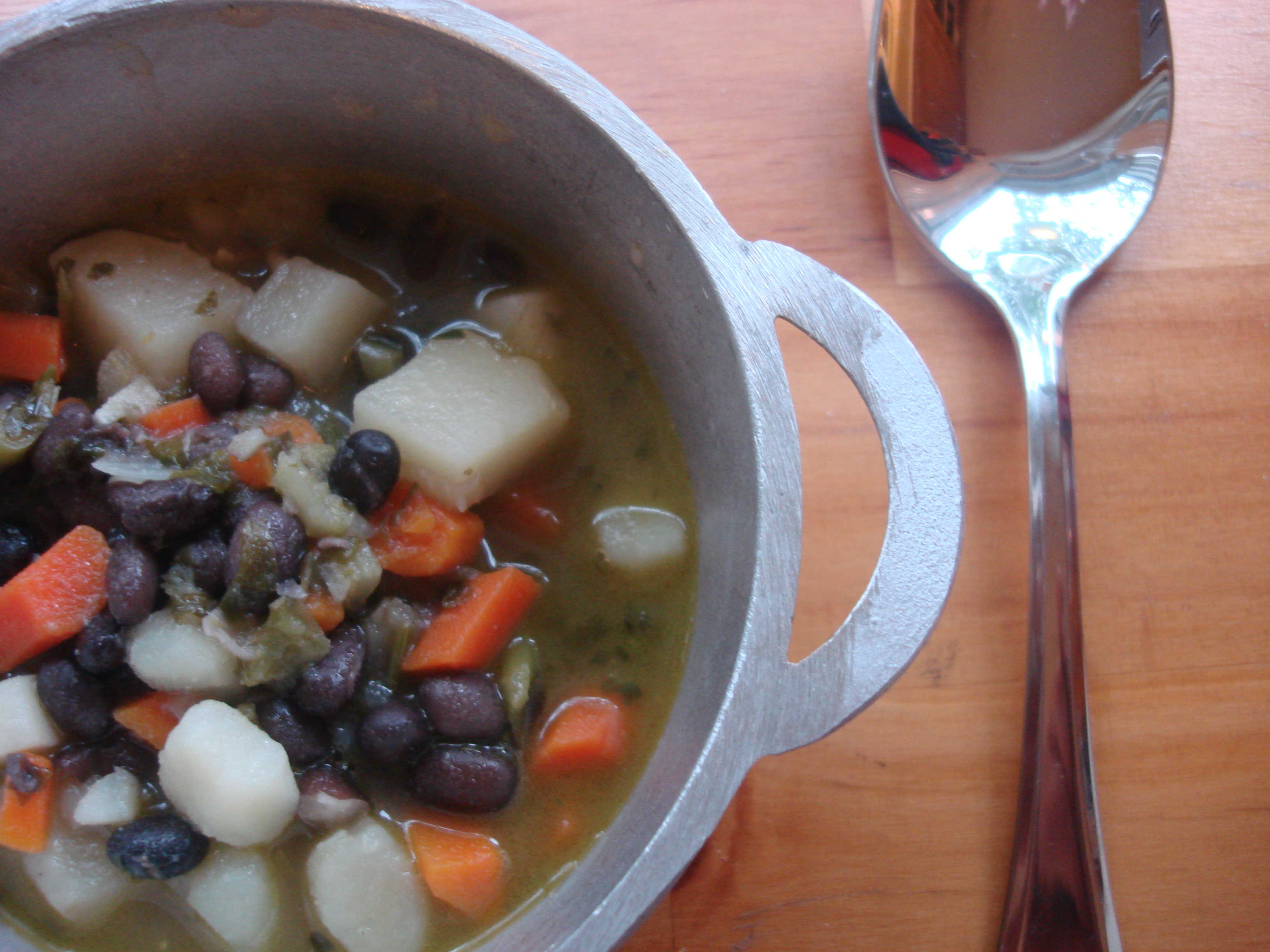
Black Bean Soup (Criollo Caribbean style – sort of)

29 May

¡Eso!

Black bean soup is the perfect blend of pragmatic and sexy. Black beans may be cheap and robust and there is no shyness to their flavor or definitive color – but they have a nutty subtlety that intrigues and keeps you coming back for more and wanting to try it new ways. They are happy in the company of the spicy as well as the subdued. Try this basic recipe first (it is broken down into easy steps, so it only looks long) and then start ad-libbing and improvising according to your tastes. Black beans are very sociable and get along with all sorts of flavors!

Black Bean Soup (with vegetarian options)

SOFRITO

2 oz salt pork in a single piece, scored – don’t cut through as you will remove it (skip if doing vegetarian soup)

2 Tbs extra virgin olive oil

1 cup yellow onion, minced

3 cloves garlic, minced

½ cup cubanelle or green bell pepper, minced (may mix or substitute with red pepper. Cubanelles are the pale green cooking pepper, sometimes called Italian cooking peppers)

6 culantro leaves, minced (if available. If fresh from the garden, 2-3 leaves should be enough. If you can’t find it, skip or add parsley)

1 Tbs cilantro, chopped (plus another Tbs chopped and reserved for garnish)

VEGETABLES

2-3 carrots, peeled and diced (about ½ cup)

2-3 stalks celery, diced (about ½ cup)

2 medium potatoes, peeled and diced (about 1 cup)

BROTH

1 quart chicken or vegetable broth

1 Tbs oregano (2 Tbs if fresh)

1 tsp cumin powder

BEANS

2 Cups black beans from dried (soaked overnight, water replaced in the morning and simmered for two hours in the afternoon) OR two 15 oz cans black beans, rinsed and drained.

Salt and pepper to taste

INSTRUCTIONS

SOFRITO

Heat 1 Tbs olive oil in a soup pot. Add salt pork and sauté until it has rendered much of the fat. Remove the salt pork and discard. Add remaining tablespoon of olive oil and warm it. One at a time, stirring to coat, add onion, garlic, peppers, culantro (recao), and cilantro. Saute at medium heat, stirring occasionally.

VEGETABLES

When the sofrito elements are translucent and limp, add the vegetables and stir to coat and cook till somewhat tender.

BROTH AND BEANS

Add broth and heat to boiling. If using soaked beans, add at this time with remaining spices and cook for 15-20 minutes, until tender. If using beans from a can, first cook broth and vegetables for 15 minutes, then add beans and cook for another five minutes.

(Optional finishing touches: Some folks, Cubans in particular, like to add a couple of teaspoons of red wine vinegar at the end to finish. You may like to serve with sliced or chopped avocado, dressed with a bit of red onion, squeeze of lime and salt. You can also serve over rice. I like to garnish with finely minced red onion, cilantro, and/or finely chopped hard-boiled egg. Sriracha is my current favorite hot sauce, but any hot pepper based hot sauce will spike this up nicely)

Child Meets Chicken Dinner (Update)

27 May

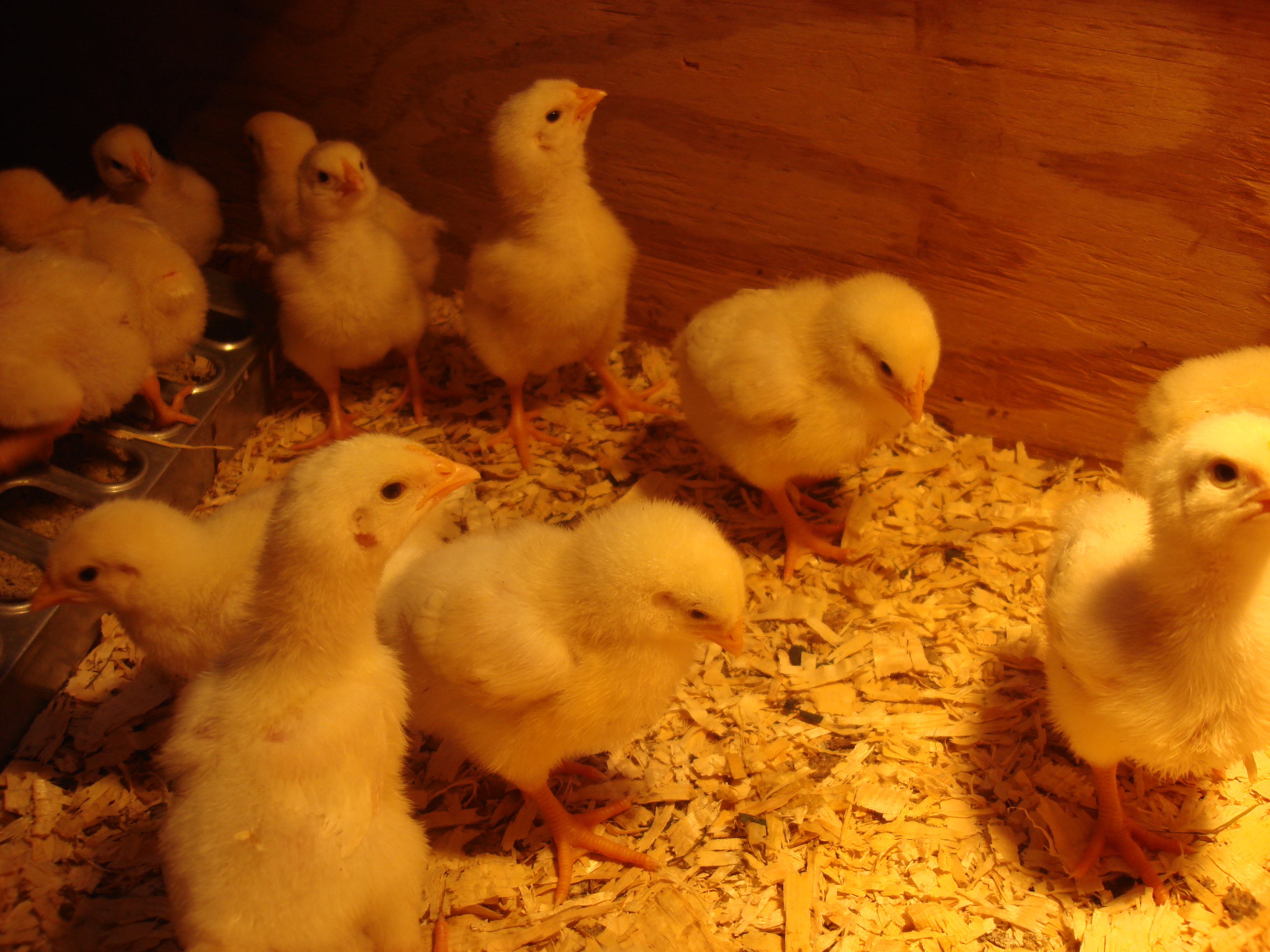
Dinner at Three Weeks

Leandro thus far seems to have no problem with his exalted position at the top of the food chain.

He likes the laying hens and during this week’s trip to Restoration Farm, pestered Donna (Mother Hen) to no end until she took him over to visit the girls. The fact that they refused to come out from under the hen house was transformed into an exciting lesson in the predator vs. prey relationship when a pair of hungry hawks soared overhead. Chickens aren’t as dumb as they look!

He’s not as fond of Trisha’s chicks – the ones destined to become meals. He pronounced them stinky and boring. “One of them is going to be dinner for you one day soon,” I said, while we weeded the strawberry patch. “Dinner? What!?!” he responded. And then he sort of nodded, said, “Okay,” and went on with the business of sorting the good insects from the bad (and stompable).

"They're stinky!"

There are 30-odd chicks. They have just turned three weeks old, and they are still cute, if a bit pink in spots rather than feathered. They don’t stink, by the way. They are now out in the fields in a pasture box, fertilizing and weeding the berry patch with great enthusiasm, while Trish visits other farms and learns the art of slaughter. We volunteers can talk of nothing else but how to kill a chicken during lunch break, which might not be everyone’s idea of appropriate mealtime conversation, but I like it.

More on the chicken project as we move forward into the Hazy, Hot, and Humid Long Island summer.

Pastelón de Yuca (Puerto Rican Shepherd’s Pie)

22 May

In an October post I gave you my recipe for Basic Seasoned Ground Beef (recipe repeated here, so don’t lose heart!) a Latin-style ground beef basic (similar to Carne para Rellenar, for the cognoscenti) that I make loads of at a time and freeze in serving size portions to be transformed into nachos, chili con carne (with the addition of red beans, tomato puree and chile pepper), ragu sauce for pasta (add Italian seasonings and tomato puree) or any number of things.

One of my favorite things to do with Basic Seasoned Ground Beef is make pastelón; the Puerto Rican equivalent of Shepherd’s Pie. It doesn’t take a lot of active prep (although it does require oven time in addition to stove top time) and it is a warming dish that will take everyone to their happy place. Click here for Pastelón de Platanos – Plantain Pastelón – another classic version of this dish). The more beef you use, the thicker it will be. You can also substitute Pollo Guisado (stewed chicken). The first section is the yuca preparation, but I also include the beef and chicken recipes in this post so you have them handy. Continue reading

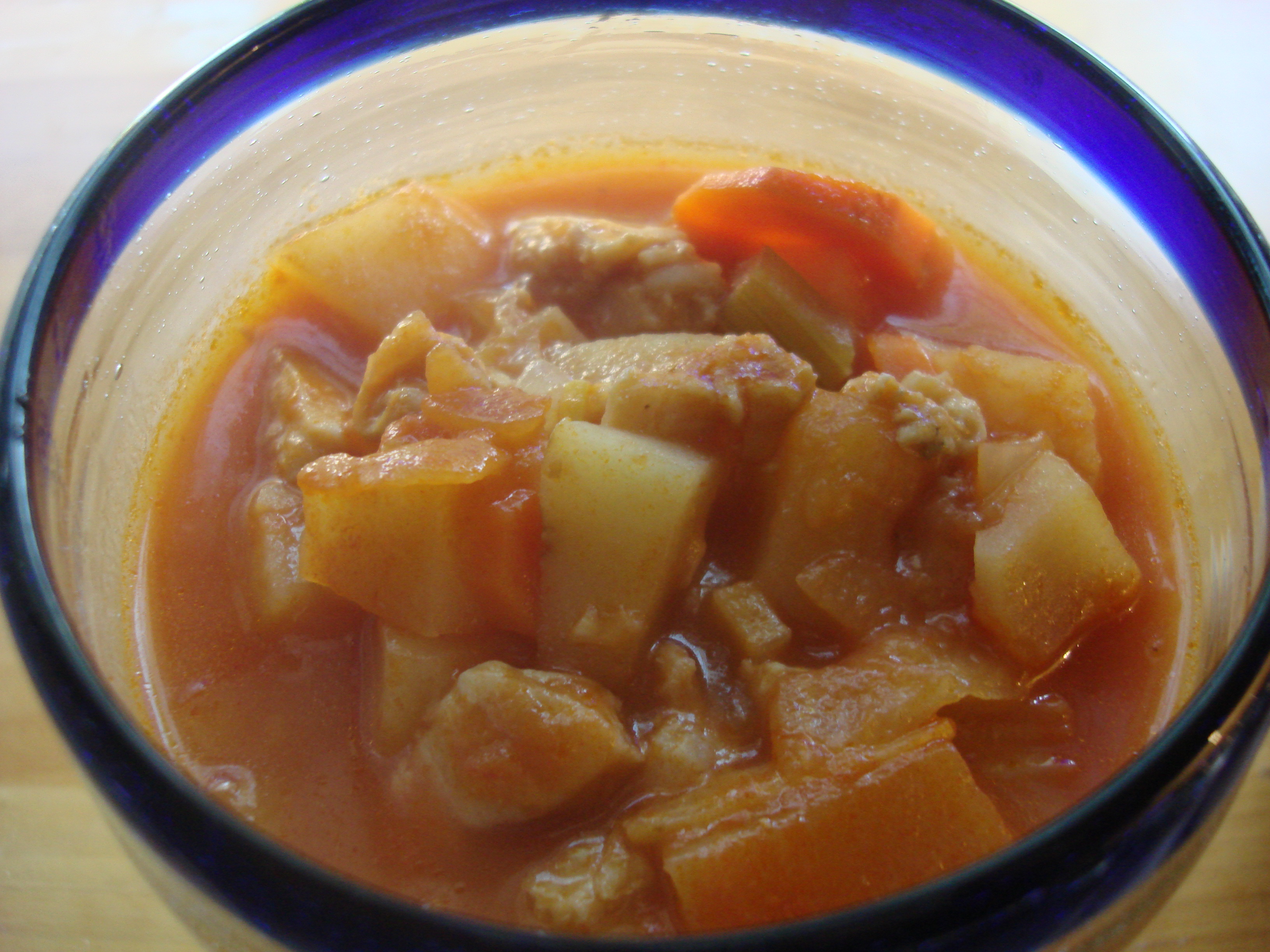
Manhattan Clam Chowder: zesty, cozy, bacon free

21 May

A Margarita glass makes for a novel soup presentation. Nota bene: The glass should be sturdy!

I make several versions of “Manhattan Clam Chowder,” none of which is particularly authentic, but then again, this is a soup named for Manhattan. Of all places in the world, this is the one where everyone belongs and everyone is unique, if not downright quirky. So consider this a mandate to scoff at tradition and do it your way.

This version doesn’t use bacon and relies heavily on vegetable gusto.

Manhattan Clam Chowder (without bacon)

2 Tbs extra virgin olive oil

1 cup onion, peeled and chopped fine

3-5 cloves garlic, peeled and chopped fine

½ cup red pepper, chopped fine

½ Cup carrot, peeled and chopped (first in quarters lengthwise, then in thin slices)

½ Cup celery stalks, peeled and sliced into small chunks

Two medium potatoes, peeled and chopped into ½ inch squares

4 cups vegetable juice (low sodium preferred)*

1 bay leaf

Four 5.5 oz cans of chopped clams, juices reserved

1 Tbs dried oregano (2 Tbs fresh, chopped)

1 Tbs dried parsley (2 Tbs fresh, chopped)

Salt and pepper to taste

Heat olive oil in a large pot at medium high until fragrant and very liquid. Stir in onions to coat, lower heat to medium and add red pepper and garlic. Cook an additional minute. Add carrots and celery and cook until beginning to get tender, about five minutes, stirring occasionally.

Add potatoes and stir to coat, then add vegetable juice, bay leaf, and reserved clam juice. Bring to a boil, then lower heat and simmer for 15 minutes. Add clams, oregano, and parsley and cook for an additional five minutes. Add salt and freshly cracked black pepper to taste. Serve with oyster crackers or saltines and spike with sriracha, Tabasco or other red pepper-based hot sauce.

*If you happen to have an additional bottle of clam juice in the pantry, you may substitute a cup of the vegetable juice with the bottled clam juice to pump up the briny flavor

Baked Chicken Tenders (with hint of curry option!)

19 May

The best defense is a good offense, even when it comes to protecting your family from encroaching fast-food predilections. So I keep trying to build a better, healthier, more attractive chicken tender that I can freeze and have on hand any time a drive-thru strikes me as a really good idea.

These chicken tenders are a variation on a Rachael Ray recipe — and you thought this was a Rachael-free zone, didn’t you? C’mon, the woman is everywhere! Even here. And certainly on all the search engines!

I like to think my version of chicken tenders has a bit more pizzazz, but we all have our vanities.

Bottom line: these are easy, freezeable and adaptable and they helped carry me through another semester of packed lunches for pre-K. My kid and his grandfather both loved the subtle curry flavor (which bodes well for our next Indian buffet lunch!). You can really season it however you like; the infrastructure of the recipe is very sound.

Baked Chicken Fingers with an optional hint of curry (freezeable!)

2 lbs chicken breasts, pounded to an even thickness (do not pound thin, just even them out) and sliced, against the grain, into generous strips

Salt and pepper for seasoning chicken strips

2 cups flour

2-3 cups breadcrumbs, unseasoned

½ -1 tsp salt

2 Tbs dried parsley

2 -3 Tbs curry powder (optional; see herb options, below)

2-3 Tbs your choice dried oregano/basil/Italian herbs/French herbs (if you decide against the curry)

 3 eggs

¼ cup milk

Preheat oven to 375°F. Season the tenders with salt and black pepper. In a shallow dish, season the flour with salt and pepper. In a wide bowl, beat the eggs with the milk. In a third dish (shallow), place the breadcrumbs and season with salt, parsley and either the curry powder or the herb blend. Be generous with the herbs.

Dredge the chicken strips in the flour to coat. Shake off excess flour. Dip the strips in the egg to coat. Then coat with breadcrumbs. Place chicken strips on a baking sheet, or, ideally, a rack that lets them heat all around. Bake in the oven for 15 minutes, turning once.

Once cooled, I pop them into freezer bags and take them out as needed for lunches and such, reheating at 325°F for ten minutes.

Pastured Chickens: Should a 4-year-old meet his future dinner in the coop?

15 May

I'll be eating one of these in a few weeks

So we were down at Restoration Farm C.S.A. doing some work (or I was supposed to be doing some work, but we were chatting more than anything, what with the little guy wanting to run around). We’ve bought a chicken share; Trish Hardgrove, one of the growers, has initiated a pastured chicken project: $125, five months, five chickens. I was in, of course, but this brings the question of my son to bear.

A few generations back, it would be quite normal for kids to look at farm animals as a future meal. But today, it is a bit less usual. I am all for Leandro knowing where his meals come from and plan for us to follow the chicks’ progress from farm to (our) table. I figure, if it puts him off animal products for the rest of his life, is that such a terrible consequence?

Looking forward to hearing your opinions on the topic! If you clicked directly to this post, please note that there is a poll in the next post. Click the right hand arrow at the bottom of this post!

Tortilla española (Classic Spanish potato and egg frittata)

14 May

For parties, picnics or brunch!

One of my favorite dishes ever, tortilla española, is picnic and party portable, light yet filling, subtle yet hearty and includes just four basic ingredients (plus salt). It also looks beautiful in a sturdy, wholesome farmhouse way. I eat it warm or cold, for breakfast, lunch, dinner or brunch (or a midnight raid on the fridge). It keeps — refrigerated – for a couple of days, but honestly, tortilla española never lasts that long in my house!

Spanish people (from the Iberian peninsula) are quite — and rightly — proud of their culinary traditions. Serving your home-made tortilla to a Spaniard is kind of like serving your spaghetti marinara to an Italian from Italy: there is a good chance you will be damned with faint praise, or met with an unsuccessfully concealed sniff of a European nose that tells you you just don’t get it. But I have served my tortilla to Spaniard after Spaniard and the invariable response has been a request for seconds and a lot of praise, so I think it’s a winner. ¡Olé!

This is a pretty easy dish, but does require some derring-do for the flipping (unless Rosaria turns up with her fancy tortilla flipper one day soon!). I am including a list of equipment here so that you can set yourself up for success without scrambling for stuff. Thanks to Ashley for chopping and for writing down the exact proportions while I measured and stirred.

Equipment

non-stick pan and lid (the pan should be at 9-10 inches across; the cover doesn’t have to be the exact fit. I like an oversized lid myself)

spatula

colander

large mixing bowl

bowl to catch drained oil

large flat plate for filling

Ingredients

1 Cup olive oil (or half olive oil, half neutral vegetable oil)

2 baseball sized onions, peeled and sliced into 1/8 inch rings (rings may be halved)

3 medium potatoes, peeled, halved lengthwise and cut into relatively uniform 1/2 inch slices (Russett or Yukon Gold preferred. New potatoes should not be used)

8-10 fresh eggs (a bigger pan requires 10)

Heat oil until liquid and fragrant and layer potatoes and onions in the oil. Lower heat to medium and cook vegetables until tender (if they start to brown, lower the heat more), turn occasionally.

Open bottle of prosecco or other refreshing white wine and begin drinking (This is Ashley’s contribution to the recipe).

In a large bowl, gently beat eggs. When vegetables are tender, drain into colander, reserving oil. Put drained vegetables in egg mixture and stir to cover, adding 1/4-1/2 tsp salt. Allow to rest for five to ten minutes.

Clean pan and heat a small amount of the reserved oil into pan (non-stick pans should require little more than a rub of oil) at medium-high. Save reserved oil for another dish.

Pour egg mixture into pan and allow to cook at medium high until a crust forms on the art of mixture that is in direct contact with the pan. Cover and lower heat to medium low, shaking occasionally. When mixture is relatively firm CAREFULLY lay plate face down on pan and turn tortilla onto pan (this is where liquid can come out; I do it over the sink). Slide tortilla back into pan, uncooked side down. Continue cooking until it slides easily in pan.

You may flip a few more times to improve shape, then flip onto plate, allow to cool for at least ten minutes, slice pie-style and serve with salad or cut into squares for a buffet or appetizer (stick with toothpicks for hors d’oeuvres).


myPod: Edamame (soybeans in pods)

8 May

A beloved bean

Boiling up a bag of edamame is even easier than making ice pops, so you could say this is something of a lame thing to post about, but I’ve really been meaning to share my appreciation for this useful food item for a while now. And today, Mother’s Day, when it happened to save this mom a lot of trouble over dinner, seemed like the right time.

At under $3 per bag of frozen (even organic!) edamames make for a reasonably priced appetizer or T.V. snack for two to four people. Soybeans are full of fiber and anti-oxidants and contain no animal fats (but do contain those all-important omega-3 oils). They are tasty and quick to get on the table, and shelled, can replace lima beans (which I hate) and peas (which I quite like) in many recipes.

But what I really love about them is how companionable they are. They remind me of an leisurely, chatty evening shelling pigeon peas around a hurricane lamp in the mountains of Dominican Republic when I was doing a little humanitarian work. They remind me of dining at an Asian restaurant in San Juan with my dear, departed friend, Frances Borden, in the early days of our friendship.  They are how my son and I might start a meal…popping beans right out of the pod and into our mouths (and laughing when the beans shoot across the room instead), or how we might sit around watching the news with my parents, the pile of full pods getting lower and the pile of empty pods getting higher. Farmer Steve got Leandro to try the fresh garden peas we were picking at our C.S.A. last year, because they look like edamame pods.

So get a bag and keep it in the fridge for the next time you don’t know what to do for dinner and need to buy some time, or you want something more virtuous than chips to accompany your favorite show or a movie night.

Boil up a quart or so of water and add 1 lb. frozen edamame in the pods. When the water returns to the boil, cook for three minutes, drain and serve.

Leftover beans can be added to salads (including rice and pasta salads), stir-fries and soups.