Tag Archives: comida criolla

Mayo-Ketchup Gets a Much-Needed Makeover (with Chipotle!)

4 Mar

“We totally just licked the bowl!”

I had promised my friend Ashley and my son a “tostones-for-dinner” Friday night and, since I had the plaintains I was ready to go. Ashley had decided to learn to make them, so I set her up with the assembly line of garlic and salt water, hot oil, plates covered in paper towel and tostonera (See Tostones! for the how-to of this Caribbean riff on French fries) and got ready to relax with a bit of the fizzy stuff.

Then I mentioned that Puerto Ricans usually dip tostones in mayo-ketchup – mayonnaise and ketchup stirred together. Without hesitation Ashley said “That sounds like it would be great with chipotle and lime,” and since I had it all in (plus garlic) a new creamy, spicy, lick-the-bowl delicious dip was born. And it was so quick that I still got to drink that glass of fizzy in relative peace….
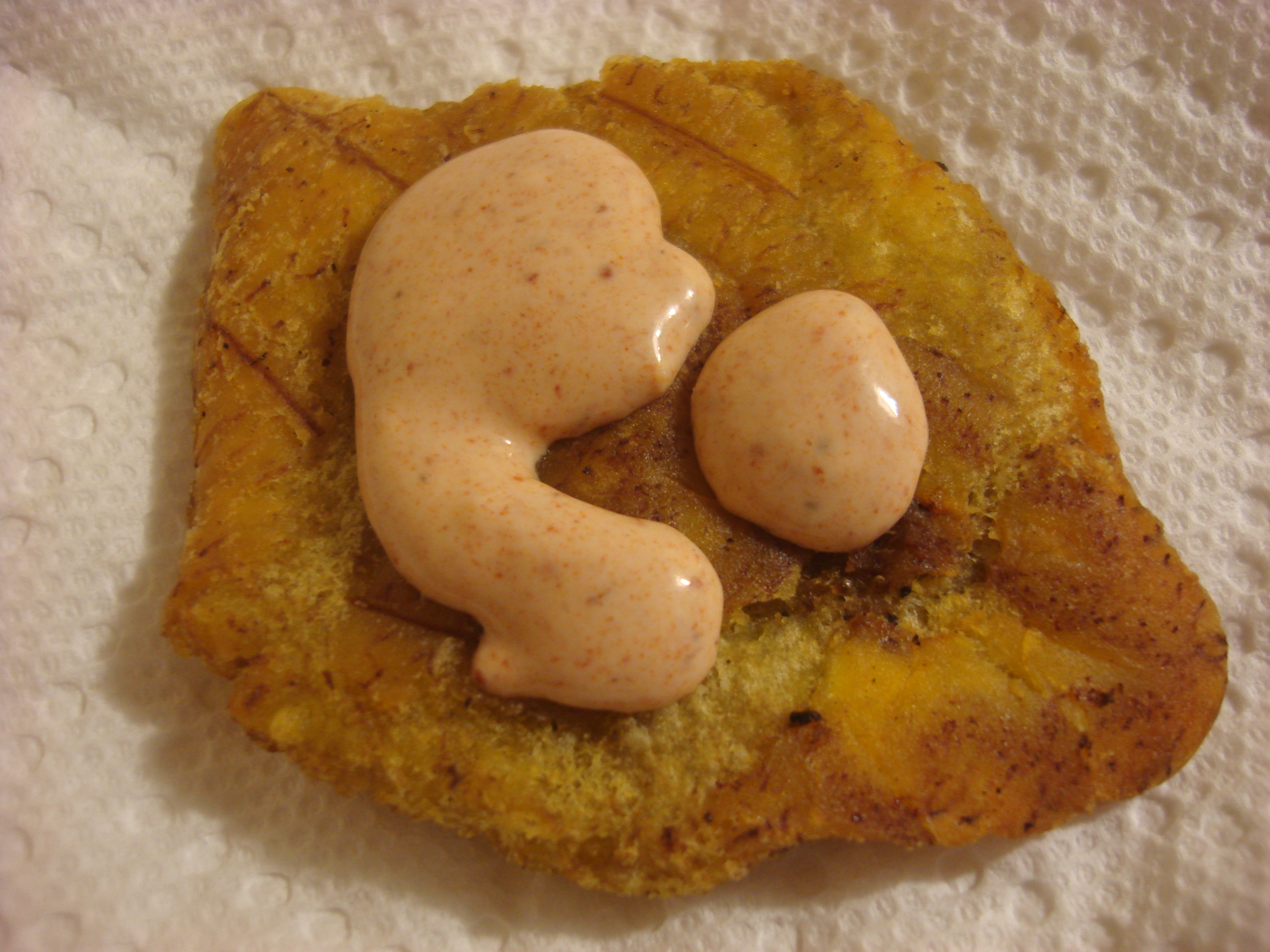
You. Are. Gonna. Love. This.

Mayo-Chipo-Ketchup
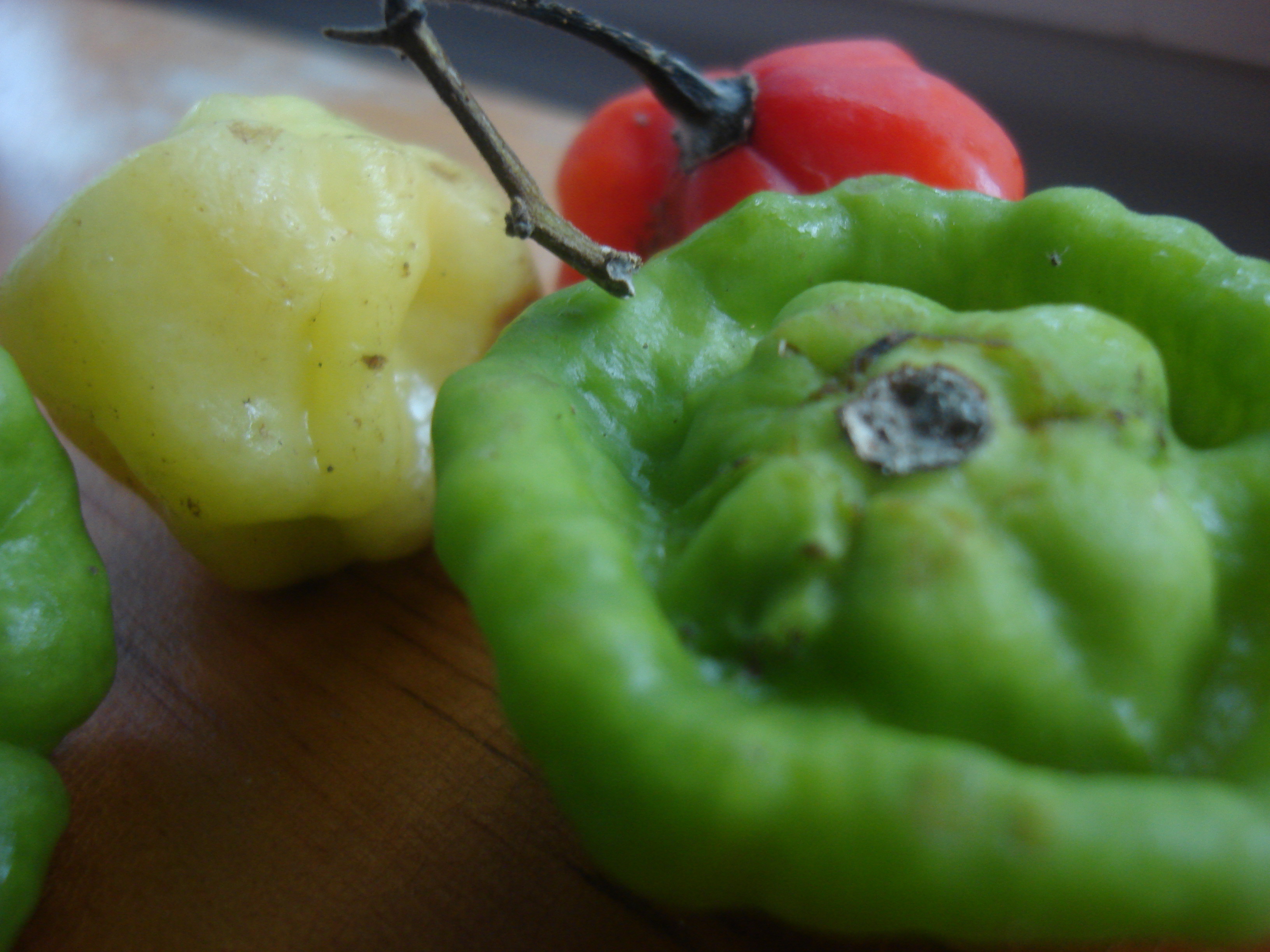
(play around with the proportions to suit your taste)

1 Tbs prepared mayonnaise

1 Tbs plain yogurt (nonfat or lowfat are fine)

1 Tbs ketchup

1 tsp chipotle in adobo (minced)

1 tsp lime juice

1 clove garlic, minced fine

Pinch salt, if desired

Mix all ingredients in a bowl and serve with tostones or other fried, crispy tidbits.

Tostones: Puerto Rican French Fries – Made of Plantains!

8 Dec
If you have ever eyed those oversized, overthick, green banana-looking things in the supermarket and wondered what people do with them, this is your great revelatory moment.

Pre-soaking in salted, garlicky water

Those things are plantains – Musa paradisiaca – a kind of banana we in the Caribbean use to make all manner of delicious, stodgy things, preferably plunged into hot fat and heavily salted. Plantains originated in SouthEast Asia or the Near East or thereabouts and came over with colonialism. They flourish in the tropics and are now integral to the Caribbean culinary canon.

Fry and smash

Tostones – called patacones in other parts of Latin America – are disks that – much like French fries – are sliced and fried twice -once to cook through and the second time to crisp. As the holidays approach and I feel more and more festive, I am saying “Calories be damned, I need some of those!” So I’ve been making tostones for dinner. Yes, the whole meal. And we are all loving it.

Assembly line: note beautiful Pipo Grajales-made tostonera in background

My son dips them in ketchup, my favorite Dominican restaurant serves them with a garlic mojo sauce, and Puerto Ricans like them dipped in mayo-ketchup, a quick stir of mayonnaise and ketchup (that Kraft actually markets on the island!). These days I just sprinkle salt on them; some folk like garlic salt or powdered garlic. Years ago my friend, Chef Patricia Wilson pioneered serving them topped with sour cream and caviar at noted Old San Juan restaurant Amadeus…with a flute of dry sparkling they dress up real nice. You can dip them in hot soup too…mmmmm.

So give tostones a try; the first soak in water is critical; the second one less so, but it doesn’t really add much time to the procedure and it does add flavor and texture, so why not?

 Tostones (Fried green plantains, serves four as a meal, 6-8 as a side)

(Note: you will need two boards or two plates to smush the disks between rounds in the frying pan)

5 green plantains*

3 cloves garlic, peeled and smashed

4 Cups water

2 tsp salt

¾ – 1 Cup vegetable oil (for frying, enough oil to be about ½ inch deep in your chosen frying pot or pan)

Preparing the plantains:  Slice both tips off. With a knife, make lengthwise slits through the peel on two sides. Try not to pierce the flesh too much. Peel the thick skin off.

Stir garlic, water and salt in a bowl. Slice the plantains into ½ inch chunks, on the bias, and place slices in bowl of salted water. Soak for 15 minutes to one hour. Drain on paper towel.

Heat the oil in a heavy pot or pan.  When the oil is shimmering, add as many plantain slices as will fit comfortably. Fry until golden (really golden – not just beige) turning with tongs.

This is where you begin to make an assembly line. Be ready with a couple of plates covered in paper towels for absorbing oil.

Remove and lay the first set on paper towels and place the next round in the hot oil. While the second set is frying, take the first set (the one you’ve already fried) and squash fairly flat in a tostonera, if you’ve got, or between two plates. Dip in the salted water and lay back on the paper towels. You may have another raw set to go (it depends on the size of your fry pot).  Follow the same pattern until all plantain disks are pre-fried until golden, squashed flat, and dipped. Then start returning plantain disks for the final fry to crisp them up. Remove when beginning to brown and lay on clean paper towels until cool enough to eat.

*Look for firm, green, thick skins. As they yellow, they become sweeter and have other uses…

Classic Spanish-Caribbean Black Beans (Frijoles Negros) and Perfect White Rice

4 Dec

I have a four-year-old boy, so you know that toilet humor reigns supreme around here. I don’t particularly like all the burp and fart and poop talk, but I am a pragmatic woman; I try to make my reality work for me and try not to dwell on the way things “should” be.

So, what passes for classic poetry in my house starts out, “Beans, beans, good for your heart…” and you probably know the rest. I have no problem getting Leandro to eat beans several times a week; what preschooler could resist the lure of stinking out family and friends with such jackhammer potency? It goes much the same for asparagus; I reeled him in with the promise of sulphurous-smelling pee and now it’s one of his favorite (of very few) vegetables.

This is perhaps not the most appetizing of ways to introduce a recipe, but I’ll take my chances that you are interested enough in making fast, easy and healthy black beans that taste just as good as whatever you get in your local Cuban joint to overlook the other factors. Or, if you are a boy of any age, perhaps it is just the intro you need to start incorporating more beans into your diet!

(Note: the more often you eat beans, the better your body processes them, so some of the gassy part dissipates over time. And the low-fat, fiber, protein benefits are incredible. They are also cheap, especially if you soak your own*).

Classic Latin Black Beans (Frijoles Negros)

1 Tbs olive oil

1 medium onion, chopped

½ red or green bell or cubanelle – Italian long sweet – pepper (about ¼ Cup), diced

3 cloves garlic, minced

28 oz can black beans, rinsed and drained (4 Cups if using dried*)

½ Cup water (you can add more as needed)

1-2 stock cubes (vegetarian vegetable is fine; I use Knorr chicken)

1 Tbs dry oregano (or 1.5 fresh)

1 tbs cider vinegar (optional)

Heat olive oil in a heavy soup pot at medium high until fragrant. Add onion and peppers and stir to coat. Lower heat and cook until softened, about five minutes. Add garlic, stir to coat and cook another minute. Add remaining ingredients. Bring to a boil, then cover and lower heat to simmer, about 15 minutes. Serve with white rice (recipe below).

*Soaking dried beans: Rinse a pound of beans (from a store that seems to move a lot of dried beans – one of the problems is that if the beans are old, they will never soften up nicely), soak them in two quarts water overnight. Change the water in the morning and in the evening rinse and change water. Simmer them for two hours and holy legumes, Batman: 1.5 quarts of beans to play with.And talk about cheap: a pound of dried beans costs about the same as a 15.5 oz can of them and you choose how much sodium you want with it.


Perfect White Rice (you can halve this recipe if you are not big into carbs)

1 Tbs olive oil

2 Cups long-grain white rice (Sello Rojo, Goya or other Latin brand preferred)

4 Cups water

½ tsp salt

Place olive oil in a medium pot (with a tight lid). Begin heating to high while adding the rice. Stir to coat, Add water and salt. Stir once, then bring to a boil. Lower heat to medium and allow water to evaporate until it goes below the surface of the rice and there are a couple of holes in the surface. Turn rice over once with a big spoon. Cover and cook on low another ten minutes. Fluff with a fork and serve.

Abuela’s Juicy Meatloaf (or a reasonable, nostalgia-driven facsimile)

5 Oct

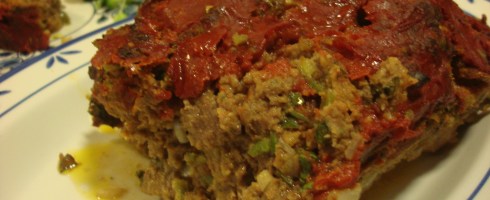
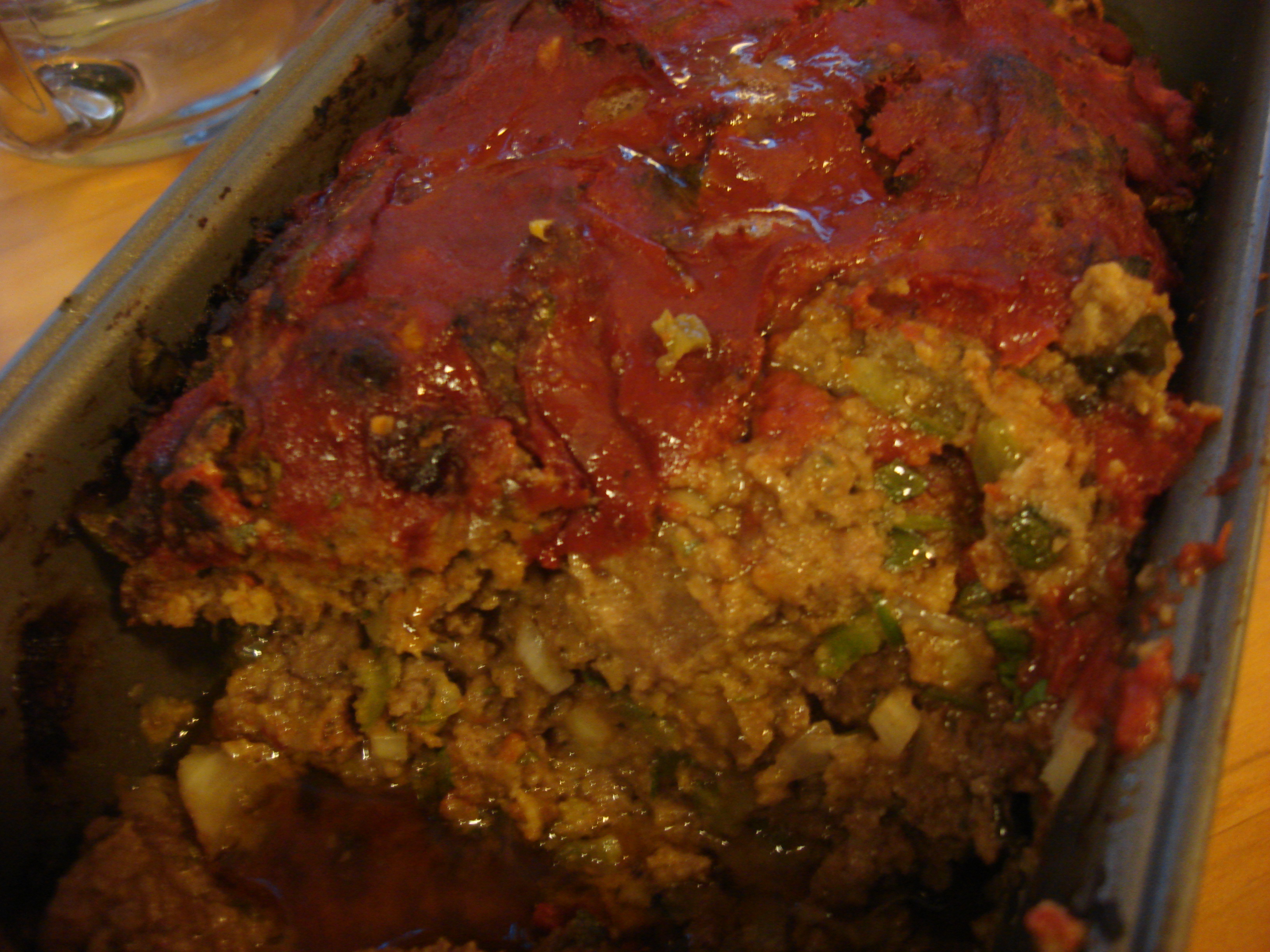
It’s not that I have the actual recipe, or ever did, or was even paying attention when it was being made, but guided by a bit of nostalgia — and inspired to meatloaf by a gorgeous Mexican Meatloaf recipe from fellow blogger Karen at Backroad Journal  — I put together a meatloaf that is reminiscent of what my late grandmother used to make for me.

Call it culinary forensics, trolling the recesses of my taste and scent memory for clues; flipping through the archives of meals at the round glass table of her dining room in urban Hato Rey; re-focusing my attention from the sounds of trucks blaring political messages from the avenue ten stories below, from the sensation of the cool tile floors under my bare toes, from the crumpled sogginess of the inevitable paper napkin, soaking up the condensation from the glass with the green and gold designs painted on it, the water flat tasting because she boiled it before drinking.

When I peeled away the distractions, finished my detective work and let my inner kitchen voices have their way, this is what I came up with – something fairly juicy, with fairly typical Puerto Rican seasonings and with tomato paste incorporated two ways. The one thing I am sure of is the tomato paste on the top, like icing on the cake for the savory set. The rest is an educated guess. In fact, it probably tastes nothing like what my grandmother used to make, but it gave me that same feeling and was mighty sabroso, so I am sticking with it.

As a note (and call for advice): my dad and I are currently using the Verde Farms organic ground beef from Costco. The flavor is good, but it does have a fair bit of fat and the texture is a bit more fine than we like for things like meatloaf and meatballs and burgers (it’s okay for crumbled beef dishes). So this particular meatloaf is misshapen and reluctant to firm up and stick together for slicing purposes. It may be that I am doing something else wrong that could be corrected, so shout it out if you have an idea! The organic thing is important to me, in particular because of my son; any suggestions for a better ground beef available in Long Island would be most welcome.

Abuelita’s Juicy Meatloaf

2lbs ground beef

1 Cup dry breadcrumbs (seasoned is fine)

¾ Cup chopped onion

1 Tbs grated onion

3 cloves garlic, minced

½ Cup green bell/sweet pepper, minced

1 tsp cumin

2 Tbs fresh cilantro, chopped (may substitute parsley if someone has a cilantro aversion)

1 Tbs fresh oregano, chopped (halve if using dried)

1 Tbs fresh culantro (recao), chopped, optional

½ tsp chili powder

2 Tbs ketchup

1 Tbs tomato paste for the meat, plus 3 Tbs for the top

1 egg, beaten

Preheat oven to 375°F. Add all ingredients (except additional 3 Tbs tomato paste) to large bowl. Mix all ingredients with a fork or hands just until thoroughly combined, but do not work it through or knead it, or else the meatloaf will be tough.

Place in 8×5 loaf pan and bake for 40 minutes. Remove from oven and spread the reserved tomato paste evenly over the top. Return to oven and finish cooking (another 5-15 minutes – until a meat thermometer inserted in the center reads 140°F). Allow to cool slightly before serving.

Quickie Criollo Tomato and Avocado Salad (great side for spicy, salty or otherwise highly seasoned food)

3 Oct

A go-to side for spicy creole cooking!

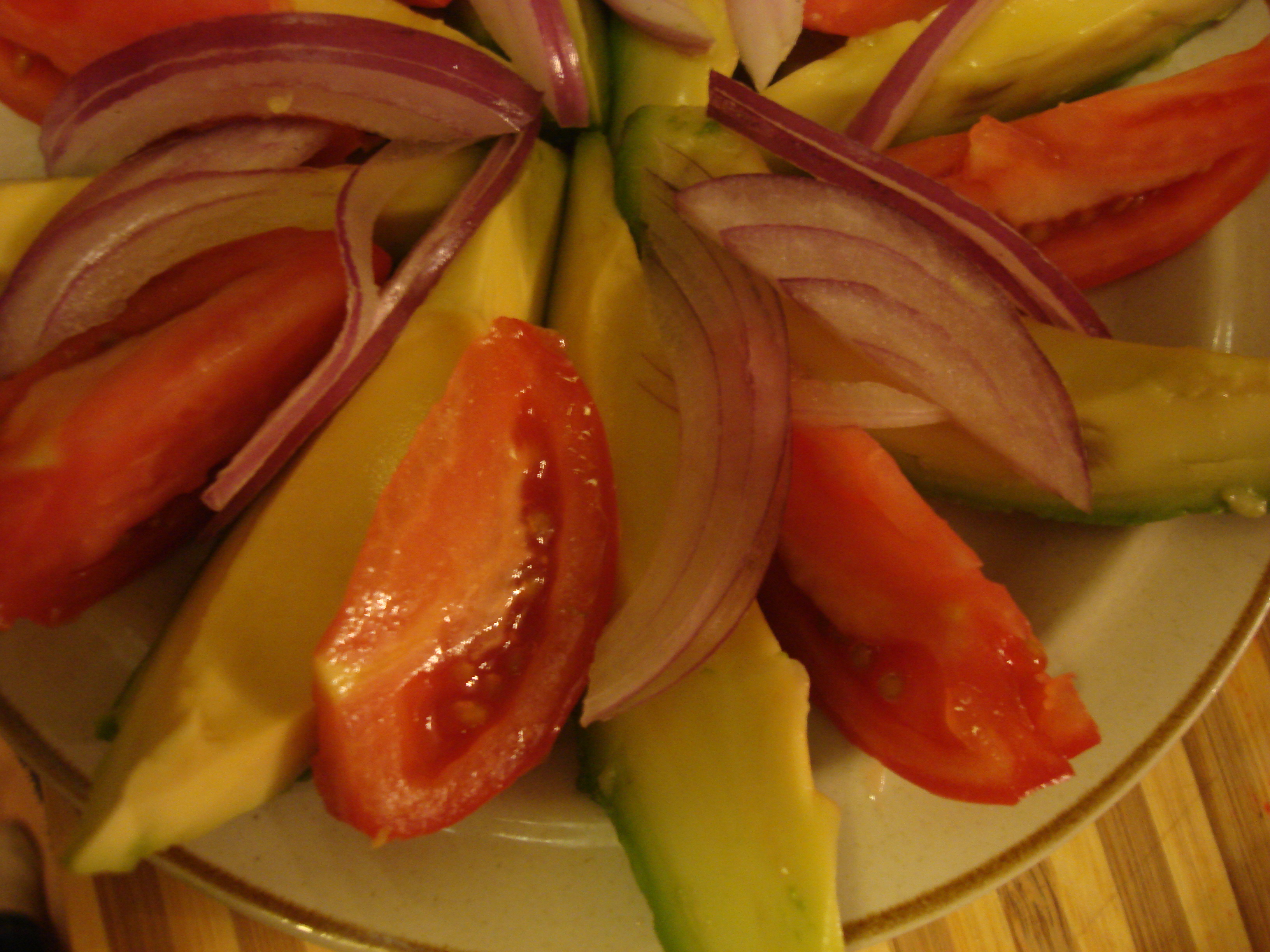
This is a super-quick, healthy side dish that we use in the Caribbean to accompany really salty stuff, like bacalao (salt cod) dishes, or to cool the palate between bites of something spicy. It goes wonderfully with creole soups, or as the lightest, yet most satisfying of dinners when you don’t want to fuss (A hard-boiled egg or a scoop of tuna would be a fine protein accompaniment). The colors and slices lend themselves to festive; this dish looks like a party, even if it’s just a party of one.
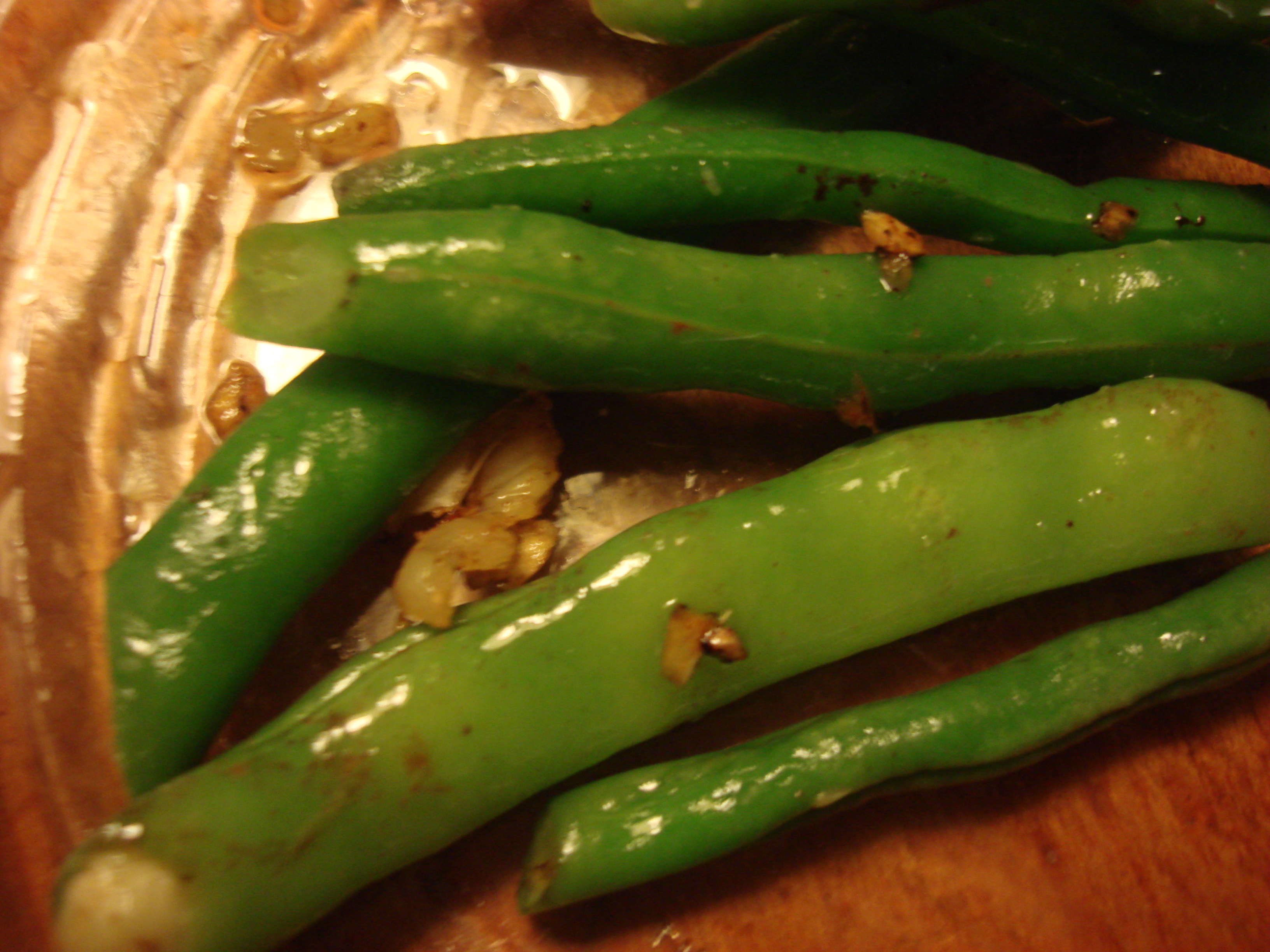
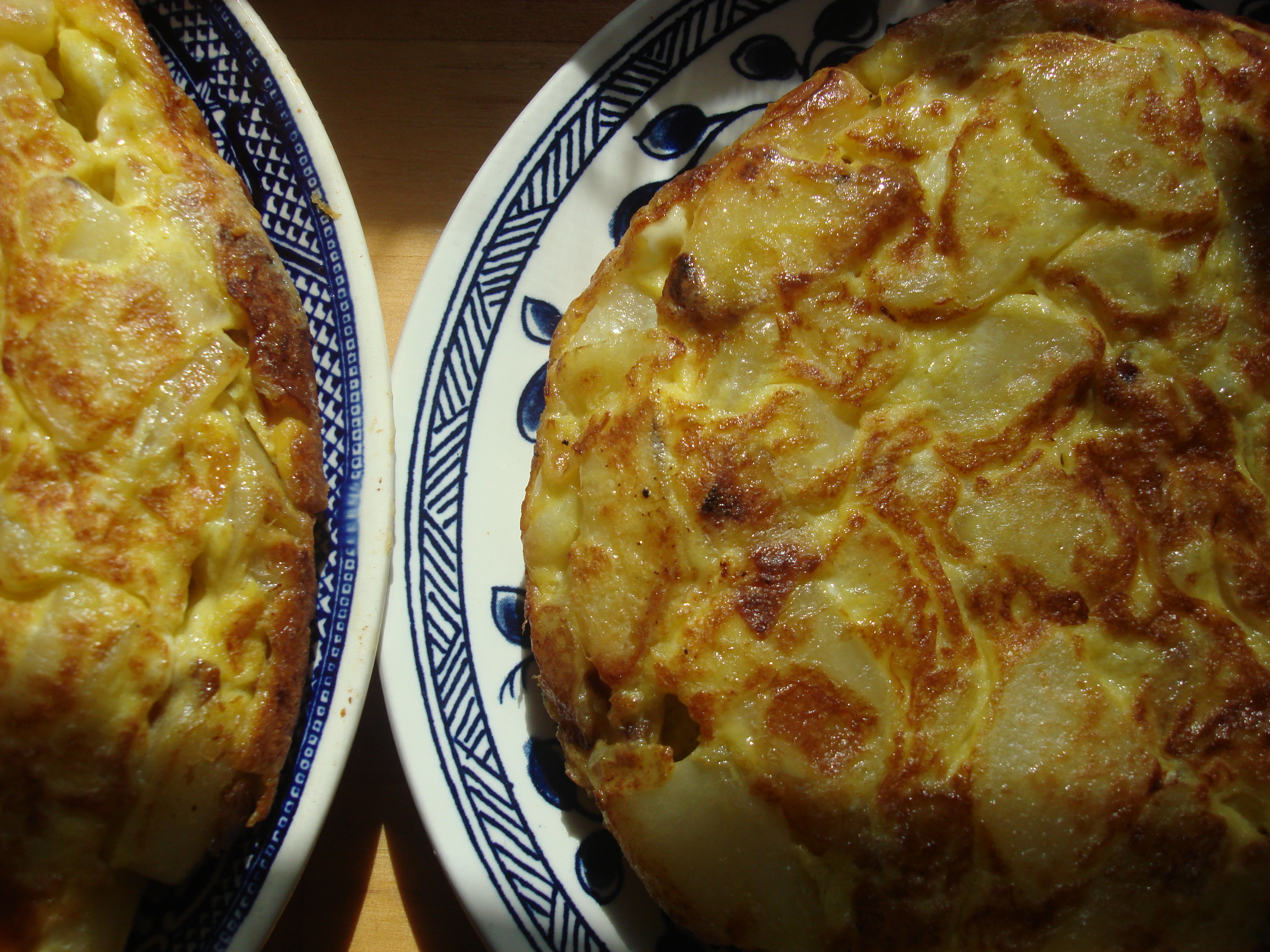
We had it tonight with a mini-tortilla española (potato and egg stovetop frittata) I made while doing a bigger sized one for our Restoration Farm potluck on Sunday, green salad and some string beans blanched and then sauteed with garlic and oil (and a bit of bacon fat, truth be told).


Quickie Tomato and Avocado Salad

1 ripe avocado (responds to pressure, but isn’t totally mushy*), sliced into eight wedges and peeled

1 ripe tomato, cut into eight wedges

¼ red onion, peeled and sliced thinly, lengthwise

Extra virgin olive oil for drizzling

Salt for sprinkling

Freshly cracked pepper, if desired

Arrange avocado and tomato wedges on a small plate, alternating

Scatter red onion on top. Drizzle olive oil as desired.

Sprinkle salt and optional black pepper and serve cold

*Buying avocado is not easy, I know! Lately I have had a 50-50 record of success with the little black Hass ones, despite my years of practice. I don’t know what’s up with that, but the general rule is to buy it hard and stick it in a paper bag — with an apple, if you’ve got — for a couple of days. If you are buying an avocado for the very same day, look for something that yields to pressure, but doesn’t totally mush. If it is ripe but you are not ready to use it, it will keep in the fridge for a couple of days.

Pollo Borracho (Drunken Chicken)

15 Sep

Usually when I have several pounds of organic boneless chicken thighs from Costco, I make pollo guisado (Latin stewed chicken) and eat some now, freeze some for later in pint containers. Very convenient and beloved by all (must be the beer and wine that go into it?  https://hotcheapeasy.wordpress.com/2010/12/17/abuelitas-stew-comes-through-%C2%A1un-guiso/)

But I just didn’t feel like it. At. All. No, no, no.

So instead, I made about three pounds worth of Pollo Borracho or Drunken Chicken, so called because it incorporates whatever the local hooch is in your part of Latin America. In the following version, adapted from Memories of a Cuban Kitchen by Mary Urrutia Randelman and Joan Schwartz (1992 Wiley Publishing),  the booze is white or light rum (I used Don Q Cristal, a Puerto Rican white rum, which is — by the way — the only acceptable rum for a Cuba Libre).

This recipe does take a long time to simmer, but the active part is very minimal and very basic. The texture is beautiful; it starts to shred of its own accord (I’m thinking quick black bean and chicken quesadillas…). Best of all, Leandro called me the best cook in the world after trying it (which means it is safe to pack the leftovers for his lunch tomorrow. Hurray!). I will experiment with freezing some for future reference!

Pollo Borracho

3 lbs skinless, boneless chicken thighs (you may use pretty much any chicken parts. Bone-in is fine, but do remove the skin)

¼-1/2 tsp salt

¼-1/2 tsp oregano

Black pepper to taste

4 Tbs extra virgin olive oil

3 cloves garlic, minced

1 large onion, peeled and sliced thick

1 bay leaf

¼ Cup dry white wine

¼ Cup light or white rum

¾ Cup pimiento-stuffed green olives (about 20) drained

Wash the chicken and pat dry, then season with salt, oregano and pepper. Heat olive oil at medium high (in a large skillet that can accommodate all the chicken and that you can cover) until fragrant and then brown the chicken thoroughly on all sides. Remove chicken and reserve.

Lower the heat to medium low. Put onions and garlic in the skillet and sauté until wilted. Add bay leaf, wine, rum and olives. Stir to incorporate, then add chicken pieces, stir, cover and cook on low for 45 -60 minutes. If your skillet is oven-proof, you can cook it in a 350°F oven for 45 minutes instead. Remove the bay leaf and serve with white or yellow Latin rice.

NB: If you are more of a tequila person and want to get a bit more elaborate, try this Mexican recipe by my friend and inspiration, the peerless Zarela Martínez  http://www.zarela.com/2010/pollo-borracho-drunken-chicken/ It was one of the most-requested dishes at her eponymous Manhattan restaurant. It includes raisins and almonds!

Sofrito for freezing (Puerto Rican mirepoix)

30 Jun

The green and lush fragrance of culantro is one of my favorite rainy day smells. In the kitchen garden I kept at my late grandmother’s house in Mayagüez, Puerto Rico, I had a vigorous crop and whenever it rained, the drops activated the fragrance, the scent pervaded the house, and I got hungry!

Without culantro (which we call recao), Puerto Rican food just isn’t as vibrant; it can’t taste quite like abuela’s. It is integral to sofrito, the starter to so many recipes, including beans, soups, stews and rice dishes. It is the equivalent of the French mirepoix, that combination of sauteed/roasted onions, carrots and celery that is the base for so many Gallic dishes.

Recao – culantro

Unfortunately, culantro is not as well known in the U.S. and doesn’t grow super-well in my planting zone, although I have had some small successes over the years (Thanks to Vic Muñoz for her growing tips). So I hit the local Latin supermarket on occasion and buy some pre-cut leaves from Costa Rica. Because once cut, recao loses its potency quickly, I use twice as much as I would if I had just gone out back and snipped some. And because it is sold by quantities much bigger than I need for a single dish, whenever I do buy it, I make enough sofrito to freeze.

The same goes for ají dulce, the non-spicy small pepper that looks like a habanero, but isn’t at all spicy. I buy a bunch at once — along with the recao — and make sofrito to freeze. You have to be careful and taste it before adding it to the sofrito, because sometimes the store makes a mistake and labels the hot ones as sweet ones, or, I’ve been told, ají dulce planted too closely to ají bravo (angry, aggressive) will take on the spiciness. I can actually smell the heat when cutting habaneros (also called scotch bonnets); the volatility  is no joke.

Ají dulce – the sweet sibling to the hottie habanero

The following recipe is for those who have access to these products. If you don’t have a Latin market nearby, investigate the Asian/Indian markets, as they too use these ingredients.

Continue reading

One Week to Our First Pastured Chicken: Final Selection of Recipe Has Begun!

15 Jun

Leandro's first homegrown peapod

Just before this week’s visit to Restoration Farm, we went out into our yard where Leandro picked the very first pea pod from a plant he himself started from seed! We were very pleased, even though the peas weren’t so tasty raw. This was a random variety from a garden show craft, so we have high hopes for the others we planted – Burpees Garden Sweet (organic). His eyes reflected the magic of a seed transforming into food.

Trish and one of her flock

Then at Restoration Farm, we visited that other transformation into food; Trisha tells us that the pastured chickens are a week away from our cooking pots. They will be seven weeks and one day, and — we hope — about five pounds. She had initially planned to go to eight weeks, but due to the window of opportunity for processing and the fact that they are getting slower and heavier and more prone to disease, she figures next week is it!

Ignorance is bliss


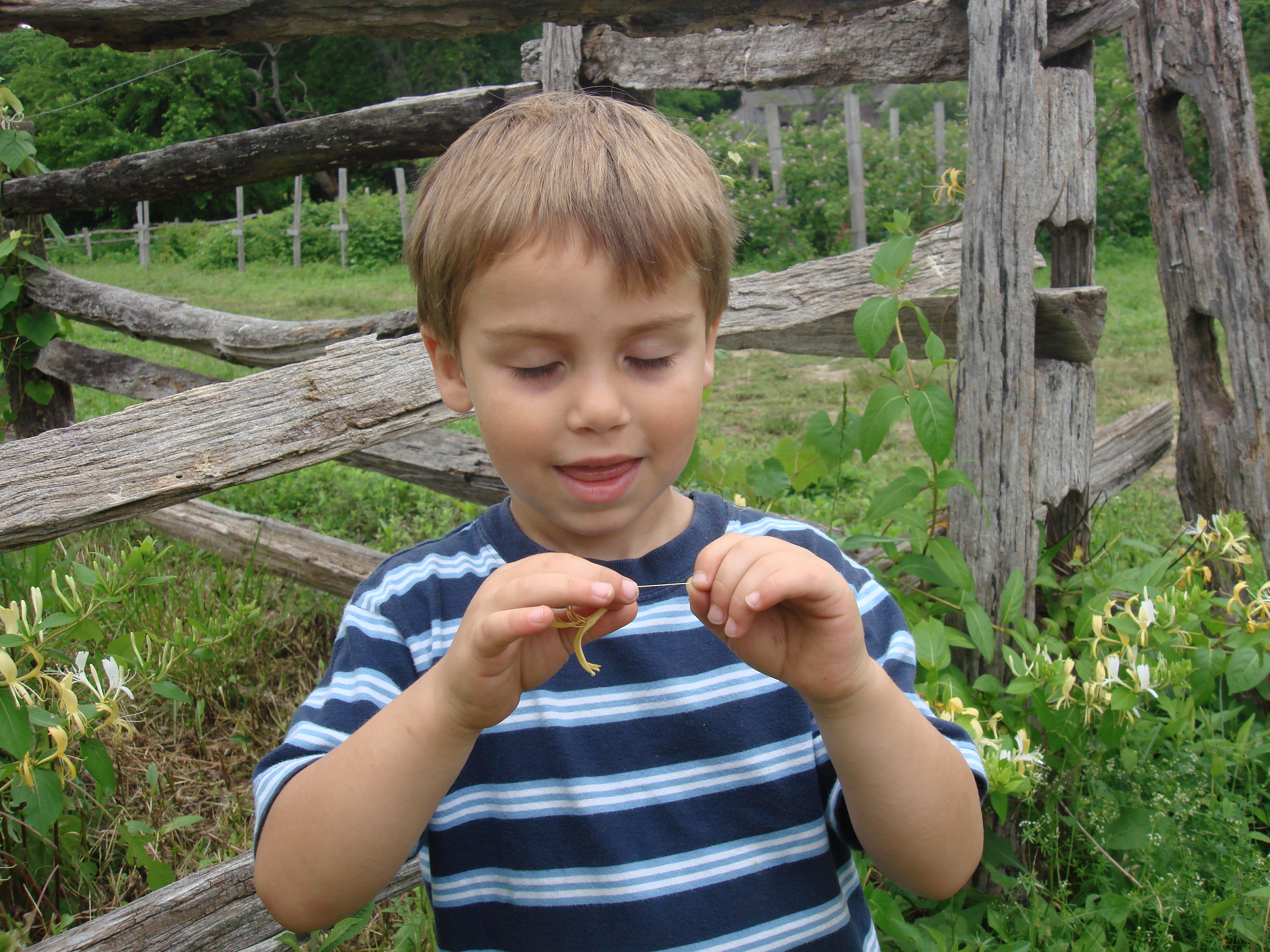
Leandro still finds the chickens stinky (and really, they are pretty pungent at this point) and was more interested in drawing sweet beads of nectar out of the honeysuckle blossoms that are exhaling seductive breaths of fragrance all over the farm these days. He learned the art of drawing out the style from Farmer Steve and then taught me! Delicious.

Honeysuckle gives it up for Leandro

So now I am planning what to do with my first bird. As I expect it to be less fatty and moist than a factory bird or even an organic chicken from a large facility, I am thinking about dishes that will help contain the moisture and make the most of the added flavor that a slightly more muscular bird will have. I also want to do something that is already in Leandro’s growing list of delectable foods, so as not to risk some refusal. And then there is the desire to honor my Caribbean forebears who lived off the land (some still do, at least in part).

So… I’ve got two ideal candidates from the criollo* canon: arroz con pollo: chicken and rice,or asopao de pollo: soupy chicken and rice. Feel free to share your thoughts and opinions on which one it should be!

*Criollo or Creole refers to the generations of colonialists actually born in the colonized place. In the case of Puerto Rico, the Spanish were the first Europeans to settle. They remained Spaniards, but their offspring born on the island (in many cases, half European and half native) were known as criollos – not quite European, but not quite native, either. Criollo cooking (like Creole in New Orleans, for example), reflects the meeting of different worlds of cooking ingredients and techniques.

Pastelón de Yuca (Puerto Rican Shepherd’s Pie)

22 May

In an October post I gave you my recipe for Basic Seasoned Ground Beef (recipe repeated here, so don’t lose heart!) a Latin-style ground beef basic (similar to Carne para Rellenar, for the cognoscenti) that I make loads of at a time and freeze in serving size portions to be transformed into nachos, chili con carne (with the addition of red beans, tomato puree and chile pepper), ragu sauce for pasta (add Italian seasonings and tomato puree) or any number of things.

One of my favorite things to do with Basic Seasoned Ground Beef is make pastelón; the Puerto Rican equivalent of Shepherd’s Pie. It doesn’t take a lot of active prep (although it does require oven time in addition to stove top time) and it is a warming dish that will take everyone to their happy place. Click here for Pastelón de Platanos – Plantain Pastelón – another classic version of this dish). The more beef you use, the thicker it will be. You can also substitute Pollo Guisado (stewed chicken). The first section is the yuca preparation, but I also include the beef and chicken recipes in this post so you have them handy. Continue reading

Bacalao a la Vizcaribe (A classic cod dish reconstructed)

18 Mar
Scoopable cod!

For all these years I thought I was making bacalao a la vizcaína (salt cod, biscayne or vizcayan style), when I was really making a sort-of bacalao guisado (stewed salt cod)! I only found out yesterday, as I started soaking the cod for another Lenten Friday of fish. “Let me see how Valldejuli and Cabanillas make it,” I thought, referring to two classic Puerto Rican cooks whose recipes I have lived by over the years.

I expected some inspiration for innovation, but what I got was comeuppance. I was so shocked by what I found that I checked Penelope Casas’ more Iberian, continental recipes for the dish. And it turns out that what I have been telling people is my “Bacalao a la vizcaína” is actually something else, but not quite.

So, I am a little embarrassed, but nevermind, my bacalao dish is really good and easier than pie. It makes my parents happy. And, apparently, it is my own. Thus, the silly name change.

I hope to try the real vizcaína later in Lent (it looks to be even easier than my version), but for now, this one is more than satisfactory and includes much of the same things: salt cod, onions, garlic, tomatoes, raisins, capers. It’s got salt, sweet and spice (if you like). It is rich without being heavy. This is a stew that goes well with rice, with potatoes (dressed with parsley and olive oil), with avocado and with hard-boiled eggs. It also goes well with Mark Kurlansky’s incredibly entertaining book Cod: A biography of the fish that changed the world which will enlighten you about why so many peoples in this world will go through the trouble of desalinating and cooking such a strong-tasting, strong-smelling fish. If you come from a seafaring nation, particularly bordering the Atlantic/in the Caribbean, it is part of you and you just can’t help it.

Bacalao al la vizcaribe

1-1.5 lbs salt cod, soaked overnight in cool water and then some more the next day, with at least two changes of water*

3 Tbs extra virgin olive oil

1 large onion, finely diced (yellow or big, fat, sweet are recommended)

1 green cooking pepper (cubanelle, Italian), finely diced

1 red pepper, finely diced (and a tsp of red pepper flakes, if you are so inclined)

4-5 cloves garlic, minced

1 24oz can peeled, diced or pureed tomatoes, chopped if necessary

¼ cup raisins

1 heaping Tbs capers, drained indifferently

15 green pimiento-stuffed olives, drained indifferently

Accompaniments: (choose one or more, mix and match) four hard-boiled eggs, sliced in half; avocado slices; boiled potatoes dressed with parsley and olive oil; rice; crusty bread toasted)

Heat olive oil in a pot on high and add onion. Stir to coat, then lower heat to medium and sauté until wilted. Add peppers and garlic and sauté another five minutes or more, until translucent.  Add the tomato and bring to a boil. Add cod (no need to break it up; it will fall apart in the cooking and stirring), raisins, capers and olives, lower heat and simmer (covered if it is not very liquid; uncovered if it seems very watery) for at least 20 minutes at a gentle bubble, stirring occasionally. Serve with you choice of accompaniments.

*Many people are afraid of salt cod or bacalao because of the salt. I find that an overnight soak with several changes of water does the trick. But if you forget to soak it the night before, boil a pot of water, drop the bacalao in for five minutes, drain and rinse thoroughly and you should be fine.   I actually add salt sometimes in the end!)