Inside-Out Guacamole

16 Jan

I invented this recipe for my beloved Single Mothers by Choice support group; we meet up once a month at someone’s home and our kids go mental playing, while we bring snacks — often home-made — drink tea and coffee, and discuss — among other momentous questions — whether a date for Valentine’s Day is possible, do-able or desirable (Some women have married out, so the answer might just be yes).

I joined the group when considering embarking on single parenthood and started going to the local meetings when I got pregnant(!), so it’s been about five years, and let me tell you, there is nothing better than a supportive and understanding peer group to help you navigate your ups, downs, and angst. Leandro considers some of the kids among his best friends and we share times with them outside regular meetings, so it is really important to us.

So thus inside-out guacamole – a speedier way to the same great flavor.

And this guac without the mashing is not just for single chicks…It’s got NFL cred…try it on Sunday when Big Blue shows that team from San Francisco where they can put that candlestick….

Inside-Out Guacamole (can be doubled or tripled)

2 ripe Haas avocados (unpeeled flesh should give a bit when pressed with a finger), peeled and chunked

Juice of half a lime

½ Cup grape tomatoes, sliced in half

¼ red onion, sliced very thin

1 clove garlic, minced or pressed

¼-1/2 tsp ground cumin

1/8-1/4 tsp salt (to taste)

Place avocado chunks in a bowl and sprinkle with lime (for flavor and to prevent browning)

Add the rest of the ingredients, mix gently and serve with large tortilla chips or tortilla scoops.

Pasta al Tonno – tuna, olives, and capers in red sauce

14 Jan

Back in the 90s, pasta was the staple food of single women and gay men. “The Italians don’t get fat and they eat it every day,” was part of the reasoning (not getting fat being one of the particular obsessions of single women and gay men for reasons that are probably obvious).

Then there was the speed and efficiency of pasta; if you can boil water and saute garlic (or open a jar), you can probably put together a pre-club, pre-booze meal even while doing your pre-club ablutions and outfit selection (and mixing a pre-club cocktail — or two — while blowdrying).

Finally, pasta was a perfectly acceptable dish to serve guests for a dinner party; if you grated your own Parmigiano Reggiano and the sauce included mushrooms — and there was plenty of wine –, why you were practically a gourmet chef! What could be more right?
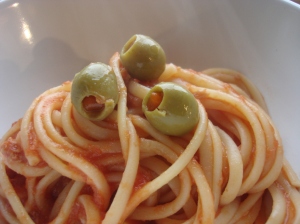
Pasta al Tonno – one of the fastest pasta dishes known to man. Tuna and olives (green or black!)

Then The Dark Cloud of Carbohydrate Catastrophe descended upon single-woman-and-gay-mankind.

The devious Italians had tricked us by using less sauce, lighter sauce, only having one serving, and actually walking places to stay thin. We flocked to the safety of sliced steak and mesclun salad to contain our belly fat.

Now that I am a mom, pasta is back in my life. The aforementioned speed and efficiency is critical, the leftovers-for-lunch potential unparalleled, and so is pasta’s ability to be the receptacle for so many healthy vegetables that might otherwise languish on the side of a little kid’s plate, a line in the sand of Who-Is-Really-In-Charge-Here Beach, a combustible place where any parental victory is likely a Pyrrhic one.

But for a long time I was pretending not to eat the pasta I was making for Leandro. I say pretending, because, as so many moms, I was tasting to the point of having no meal left to serve at the table and finishing whatever he left on his plate – you know, all the bad little mommy habits that lead to the dreaded belly fat and the matronly figure before one’s appointed time.

So enough of the bullshit and the pretending. I am making pasta dishes that I like and eating them with my son like the civilized human being that I am (and hoping to once again have that slim, single-pasta-eating-woman of the 90s figure).

This is one of the fast dishes I learned to make in Italy (where I lived for two years, acquiring pasta skills for the 90s), slightly modified to reflect my Latin pantry. I made it for Leandro for the first time this week and he loved it and I loved it and BASTA! Enough talk – here’s the recipe!

Pasta al Tonno I (serves four; cooking and prep 20 minutes)

1 lb. pasta of your choice (this sauce clings and is also chunky, so most medium shapes – long or short – will suit)

1 Tbs extra virgin olive oil

½ Cup onion, chopped fine

(2-3 anchovies packed in oil, optional; use paper towels to sop up excess oil)

28 oz can crushed tomatoes

10 pimiento-stuffed green olives, drained indifferently and sliced

2 tsp capers, drained indifferently

5 oz can tuna packed in water, not drained (you should drain it if using tuna packed in oil)

Salt to taste

Cook pasta according to package directions.

Meanwhile, heat olive oil in a medium-large saucepan at medium high until oil is fragrant. Add onions, stir to coat, then lower heat to medium-low. When onions are translucent, add optional anchovies, breaking up with your spoon. Add crushed tomatoes and stir to mix. Stir in olives and capers and simmer for five minutes. Add tuna (with water from can), stir to combine and break up. Simmer for an additional five minutes. Add cooked pasta to saucepan and stir to combine. Salt to taste and serve. This dish doesn’t really require grated cheese, but go ahead and try it with Parmigiano Reggiano if you like! Serve with crusty bread for dipping.

Breadfruit – Panapén – High Seas History (and a rant)

13 Jan

Fried Pana – Nirvana!!!!!

We are just back from almost three weeks in Puerto Rico with my parents at the home of my late grandmother, during which I ate loads of classic Puerto Rican Christmas food — perníl, pasteles, morcilla, arroz con gandules — O.M.G. I am fat and happy to have my food fixes fixed!

However, I did not do a lot of cooking! I thought my dad and I would take the opportunity to mash it up in the kitchen for the duration, but….my dad, who has a history of embarking on new eating plans that — for better or worse — consume the rest of us, chose THE HOLIDAYS IN PUERTO RICO TO START THE CRAZIEST DIET OF THEM ALL!?! Did he have to purge now!?! Are you kidding me!?!

It’s okay that he became a vegan overnight, it’s okay that additionally, sugar and things like bread, rice and pasta are not allowed, but in this version of vegan there is a whole ‘nother complication: you can’t mix food grown under the earth in the same meal as food grown on top of the earth. So you want to saute garlic with your leafy greens? No. You want onions in your chayote salad? No. It’s a big old pain, and while this diet has had great effects for our cousin and other people we know and I hope it resolves whatever my dad hopes it resolves, I just wish he could have put it off until we had had a lot more fun in the kitchen. And I did guilt the churrasco recipe  out of him finally!

Rant over.

Let’s talk about my single most favorite starchy produce item in the whole wide world: breadfruit, or panapén or pana (as we call it in Puerto Rico).

Breadfruit (Artocarpus altilis) is a very tall, lusciously-leafed relative of the mulberry. It originates in Southeast Asia and it prolifically produces canteloupe-size green-peeled starchy fruit that is denser and sweeter than potato. It can be boiled, roasted, fried…anything.

Credits to Wikipedia for this image!!!!

Remember The Mutiny on the Bounty? Well Captain Bligh was trying to bring breadfruit to the Caribbean from Tahiti (as a way to feed the increasing numbers of slaves) when he was set adrift by his mutinous crew. He eventually succeeded — but legend has it the slaves refused to eat it.

Anyway, breadfruit was not supposed to be in season during this holiday, but my admirers (yes I have some) — the LeBron brothers of the Plaza del Mercado of Mayagüez — managed to obtained some for me and in their desire to please, peeled and sliced it for me before I had a chance to photograph it (thus the borrowed image).

Anyway, the recipe is simple:

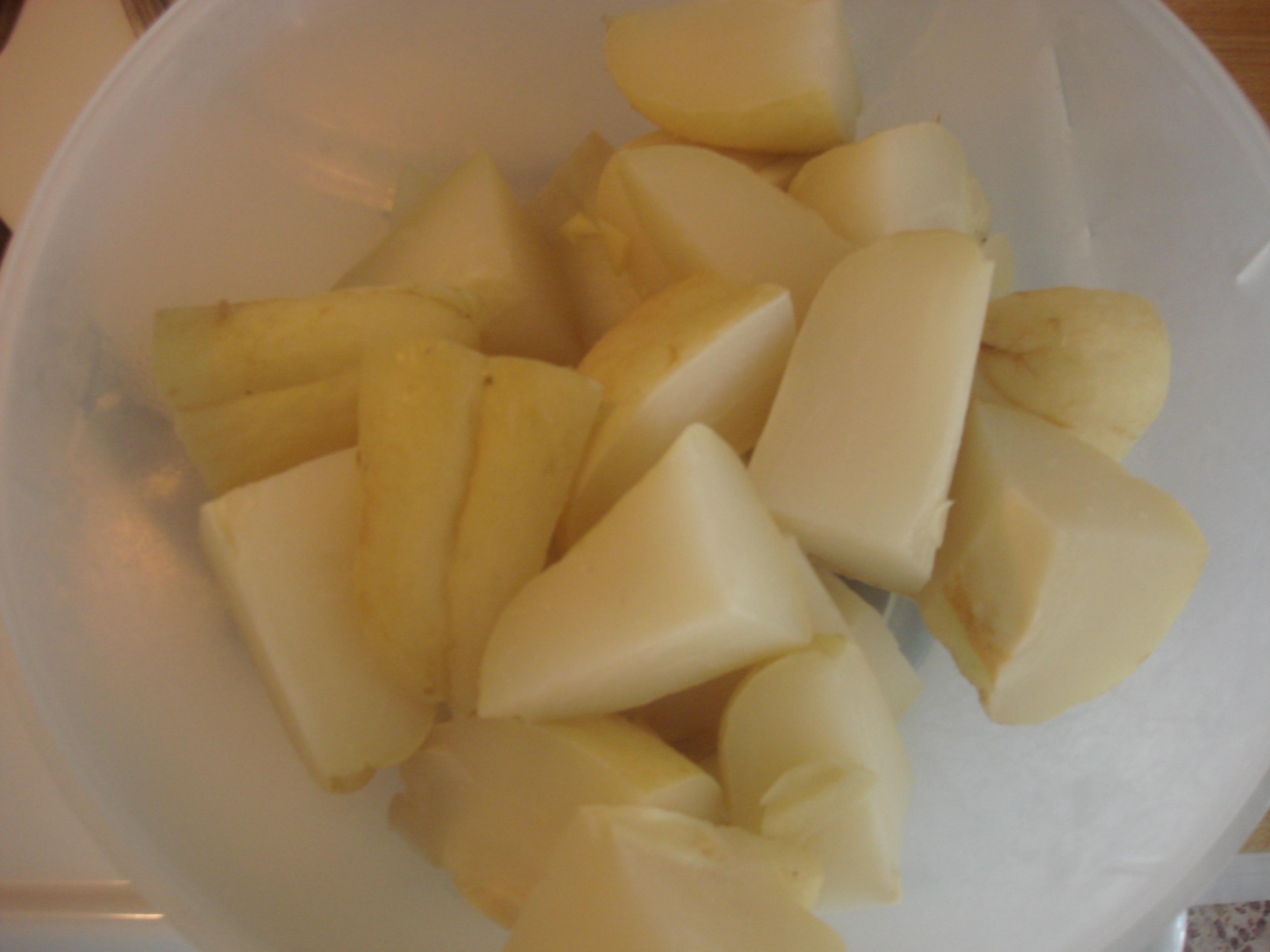
Salt an abundant amount of water in a large pot, bring to a boil (either with or without the peeled, sliced breadfruit already in), reduce heat and boil gently for about 15 minutes until tender. Drain and serve with olive oil and salt (and salt cod in vinaigrette, if you’ve got, but that’s a recipe for another day).

I mash mine up on my plate with abundant oil, but the pictures didn’t come out very well so a I could not include them.

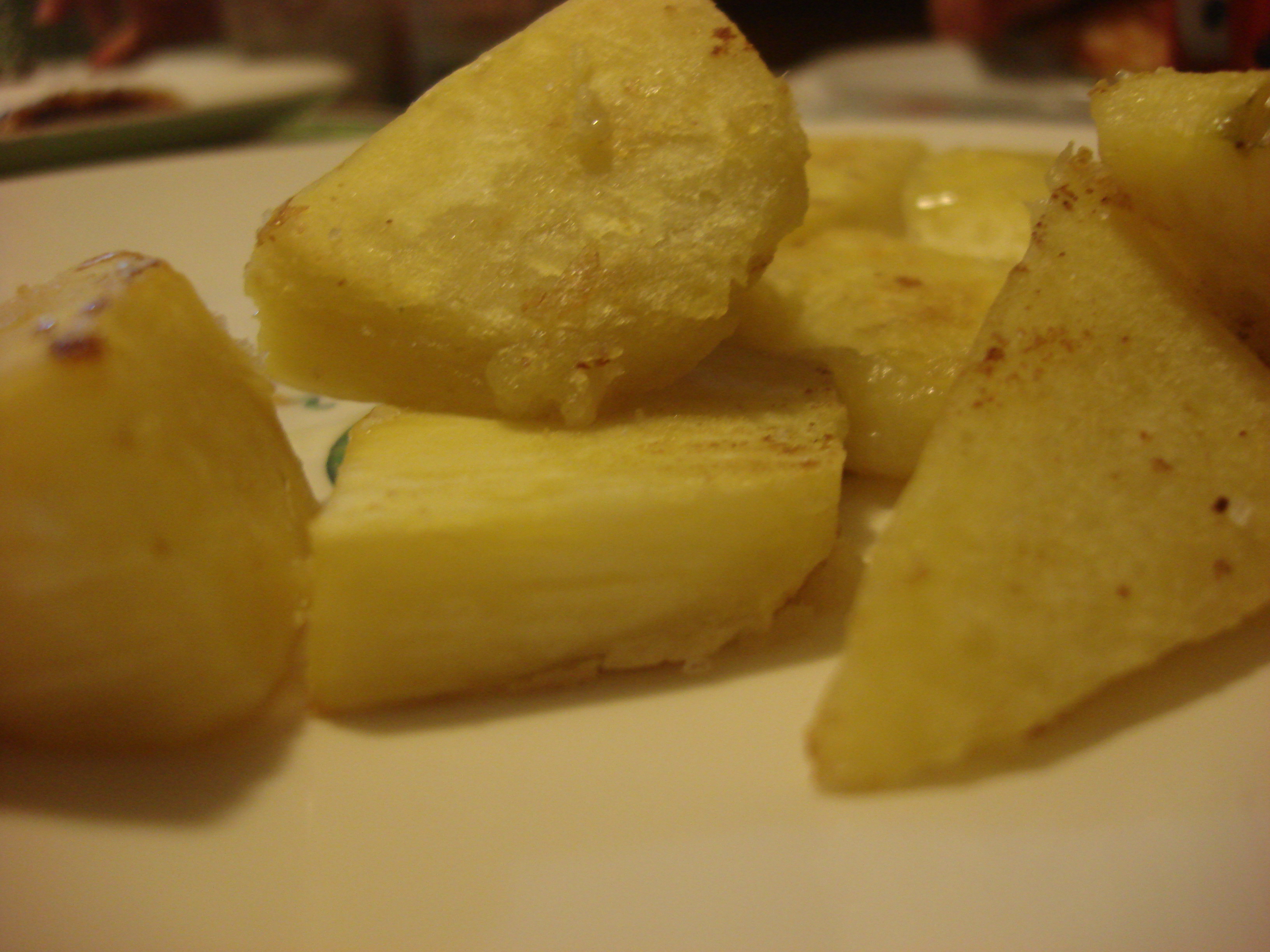
The following day, I took the leftover boiled pana and sliced it into flat squares that I fried in a small amount of vegetable oil. The insides were so creamy…just thinking about it makes my mouth water…And that you can indeed see in the picture.

La Prensa Loves Hot, Cheap & Easy!

8 Jan

Big thanks to La Prensa , a digital news source for Latinos based in Western Massachusetts, for featuring Hot, Cheap & Easy in their year-end health (salud) section. I have long admired founder and editor Natalia Muñoz’ work, so it’s a real boost to have her support!

And of course a big ¡bienvenidos! (welcome) to La Prensa readers who stop by!


¡Churrasco! Padushi’s Grilling Secrets Revealed

4 Jan

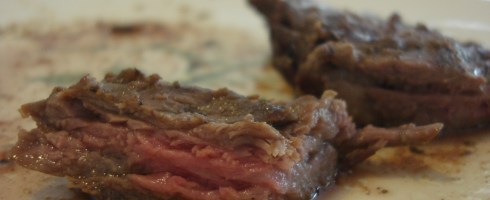
My dad makes amazing churrasco and I have FINALLY got the recipe measured and on paper. This is a dish that our friends request constantly. I take it with me in the marinade to other people’s houses to grill. It is a recipe that many have hounded me for; one that I have long sought; in short – some of the best effing grilled steak you will ever eat.

It’s not like he was hiding it, but it is not until now that I have an actual recipe to share. I have had to watch him very closely many times to get it right….

Before I reveal his secrets, however, I must clarify what “churrasco” means to me.

Churrasco is a famous Argentinean and/or Brazilian cut of beef  – although the Argentineans and the Brazilians don’t necessarily agree on which cut of meat it is. For the Argentineans, at least, it seems that any thinly sliced grilled beef can be called churrasco (and feel free to weigh in on what you think churrasco is).

In Puerto Rico, however, churrasco is always skirt steak, a cut off the top of the ribs, just behind the front legs of the steer. It is fatty, which makes for great grilling, but is also muscular, which makes for more flavor. It should be cut with the grain for greatest tenderness. It is my all time favorite cut of meat, and my dad’s salty and herb-y version, with a hint of sweetness, is my all time favorite marinade. Churrasco is often marinated in Puerto Rican tradition (not that my dad is Puerto Rican, but that is another story; his name is Pedro and that is all the boricua street-cred you need right now).

Churrasco in Puerto Rico is often served with a chimichurri – a raw onion-y, green sauce – but  that is superfluous here. In fact, I find all side dishes superfluous when it comes to my dad’s churrasco. Do some potatoes if you must; I am sticking with the meat.

If you can’t get skirt steak, flank steak or hanger (flap) steak are worthy substitutes. In all cases, look for a lot of marbling; you want the fat for the grill.

Pedro’s Famous Churrasco

(this recipe is per pound and can be multiplied as you see fit)

1 lb churrasco (skirt steak)

Two cloves garlic, roughly chopped

¼ tsp coarse salt

10 whole black peppercorns

¼ tsp dried oregano

¼ tsp ground coriander

1 Tbs extra virgin olive oil

1 tsp sugar (light brown preferred)

Rinse and pat dry churrasco. (If cooking right away, heat your grill to quite hot)

Meanwhile, in a mortar and pestle, grind garlic and salt until beginning to get mushy. Add peppercorns and continue to grind. Add in coriander and oregano and mix. Add olive oil and sugar and mash to a pulp.

Massage churrasco with pulp. If you have time, marinate for a couple of hours in the fridge, either in a covered bowl or freezer bag. If you are freezing for later, freeze in a freezer bag and thaw completely before grilling.

Lay churrasco on a hot grill for five minutes on each side. You can play around with folding the pointier, skinnier ends under or over the fatter sections. Ideally, you will have well-done ends and rare centers.

Let rest for five minutes (or not), slice along the grain and serve.

Chayote Salad (Ensalada de Chayote)

2 Jan

After some of the excesses of the holidays (and believe me when I say excesses), I decided that a cool, crisp, low-cal, high-fiber, generally good-for-you salad would be just the tonic. However, me being me, I wanted to go a different direction from just a serviceable green salad.

Enter the chayote (Sechium edule — you may know it as christophene if you are French, or alligator pear if you are not). It is a fruit that is used as a vegetable, can be eaten raw or cooked and has many, many uses.

My chayote salad is one of the simpler ways to love it (and at just 11 calories per half cup for chayot, pre-dressing, you will very much love it). The whole thing is reputed to be edible, skin and all, but I do not care for the skin, so I peel it. I do love the seeds (my family has no idea they are edible because I eat them surreptitiously before they ever get to the table!); try them and see what you think!

Look for firm fruit – they may be minty green or white – both are great!

Ensalada de Chayote (Chayote Salad)

Serves four as a side salad

4 Cups water (enough to cover chayotes in a pot)

¼ tsp salt

2 chayotes (firm), rinsed and sliced in half or quarters lengthwise

4 Tbs extra virgin olive oil

2 tsp red wine vinegar

1 tsp cilantro leaves, chopped fine (optional)

¼ red onion, sliced thin

1 tsp roasted red pepper, diced

1-2 tsp capers

Salt and freshly ground pepper to taste

Boil water and add salt. Add chayotes, return to the boil and cook for 15-20, until they slide off easily when pierced with a knife.  Allow chayotes to cool.

In the meantime, whisk olive oil and vinegar in a bowl until blended. Whisk in cilantro leaves. Stir in red pepper and set aside.

 Peel cooled chayote with a paring knife (it will come off in sheets if you use the knife to pull the peel off). Chop into rustic chunks. You may eat the seeds right then (which is what I do! Don’t tell) or chop them up and add to salad.

In a bowl, mix all ingredients. Add salt and pepper to taste and serve. Makes a great side salad for four.


The Best of 2011 – closing the year with my Top Five

31 Dec

Thanks to all my visitors  – regular and occasional – for a great year of cooking!

Unlike the rest of the year, this week has been a slow one for culinary adventure (I’ll explain that one later), so rather than do nothing, I’ve collected this year’s top five recipes – the ones that get hit time and time again to let you know what other folks are trying out in their kitchens.

I hope you will give them a try…and I will certainly try to do more things using these ingredients that you loved!

Best wishes for a wonderful and delicious New Year!

Natalia

NUMBER FIVE

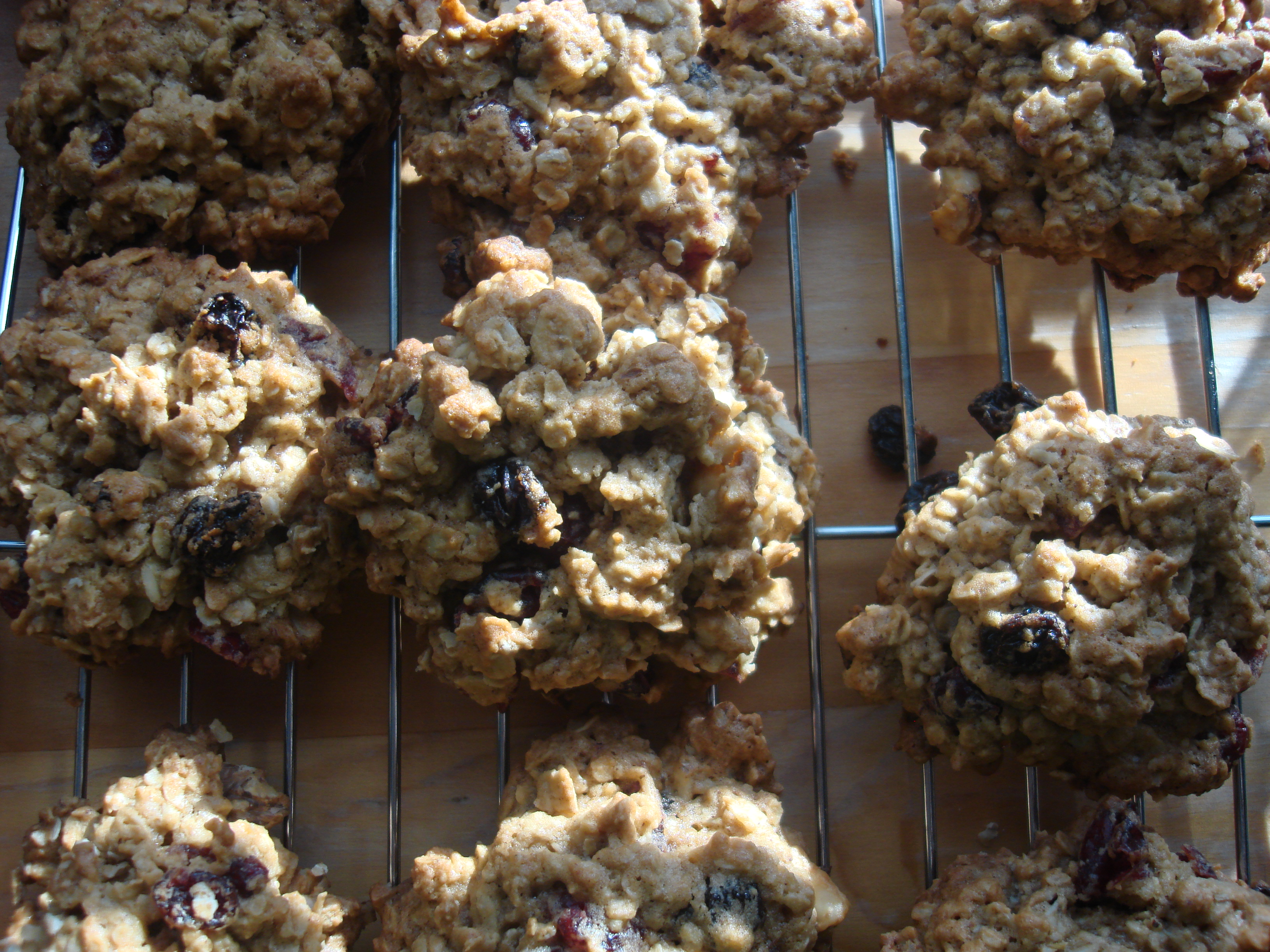
Oatmeal, Cranberry, Raisin, Walnut Cookies (click name of dish for recipe!)

NUMBER FOUR

Cheesy Broccoli and Chorizo Pasta (click name of dish for recipe!)

NUMBER THREE

No-Crust Broccoli and Feta Quiche (click dish name for recipe!)

NUMBER TWO

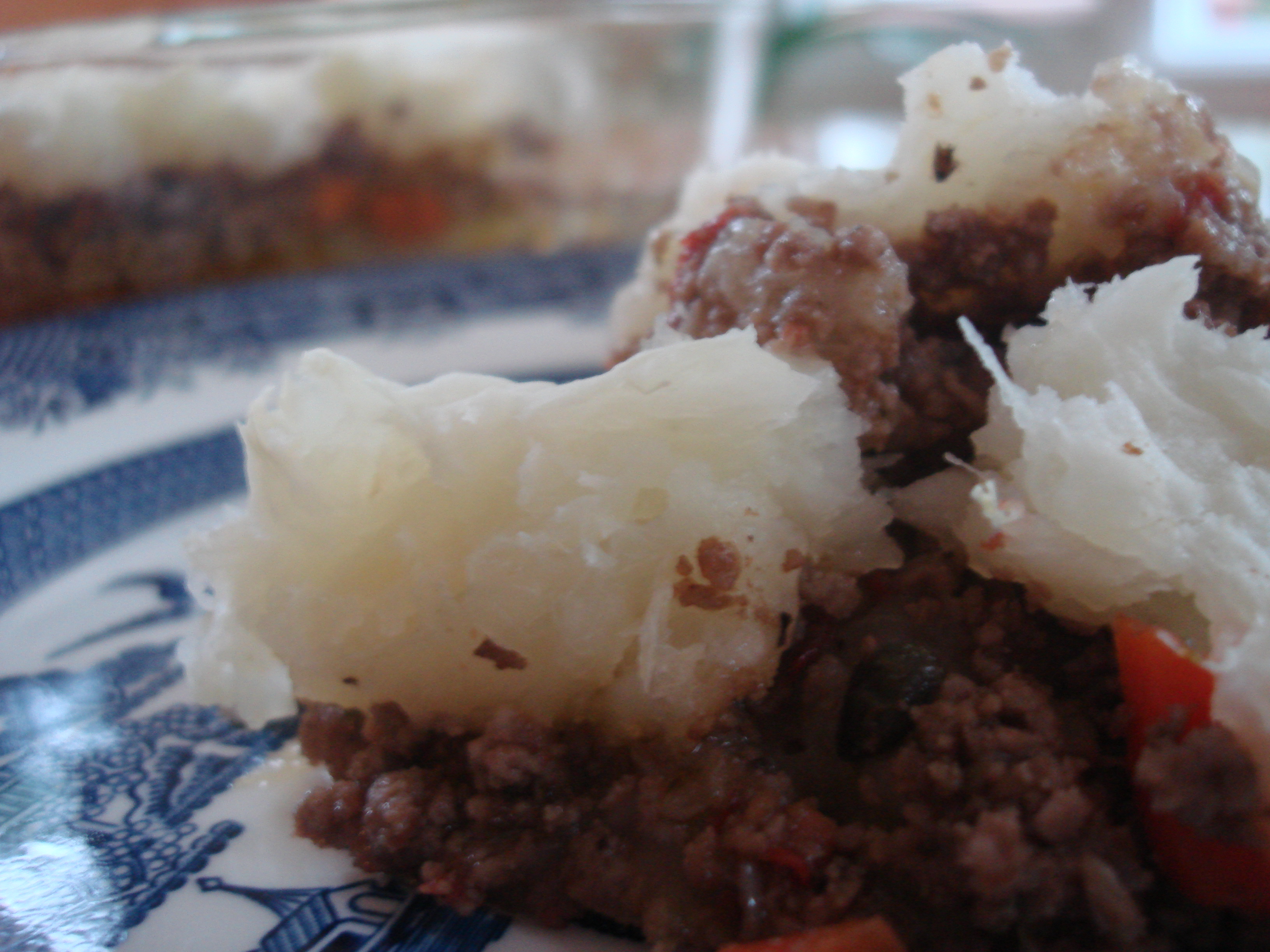
Pastelón de Yuca (Puerto Rican Shepherd’s Pie) (click name of dish for recipe!)

NUMBER ONE!!!!!

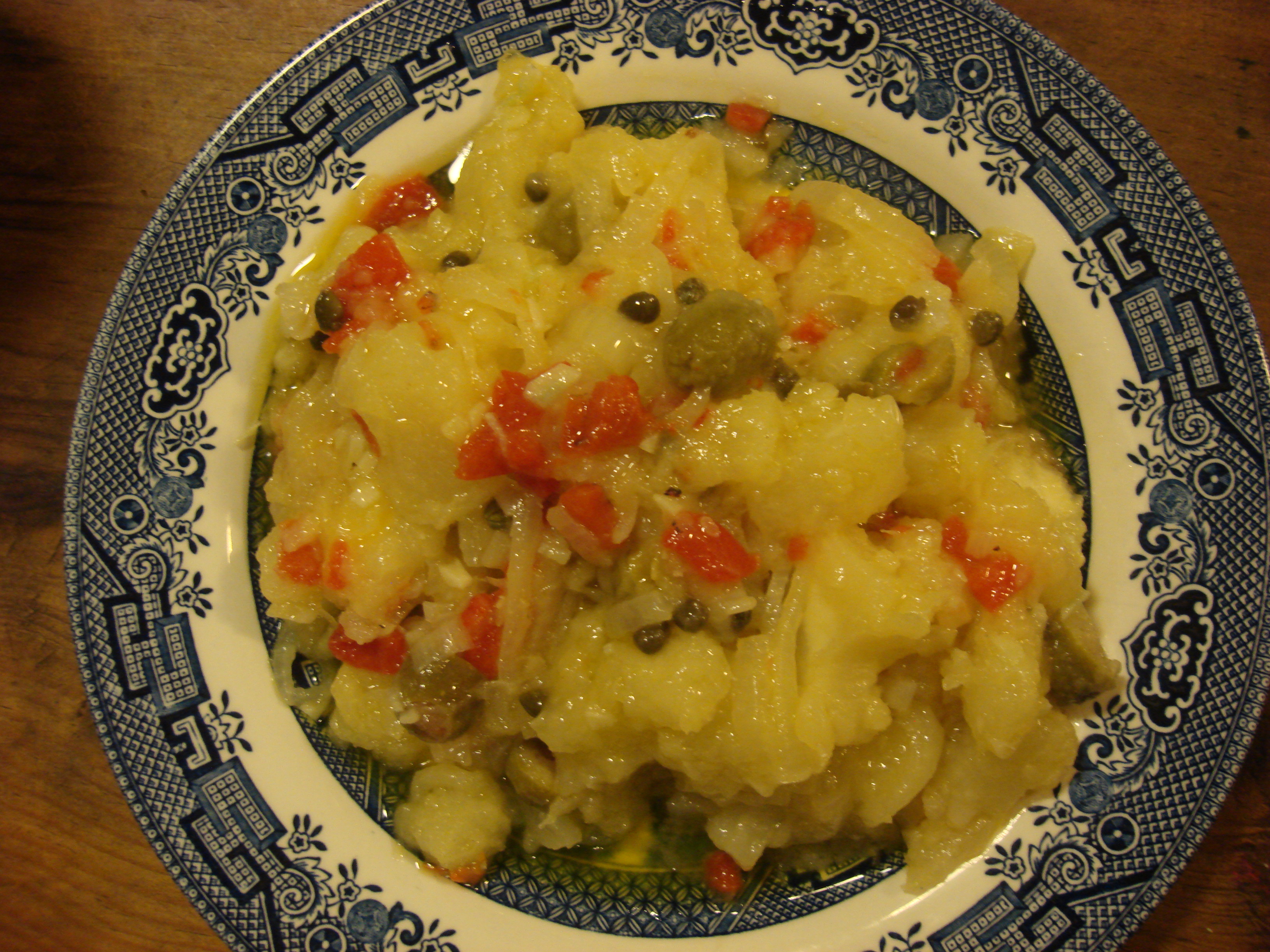
Yuca en Escabeche (Yuca Salad) (click name of dish for recipe!)

Roasted Baby Lamb Chops – Straightforward and Perfect

25 Dec

“Mommy, I love these! I just love them!”

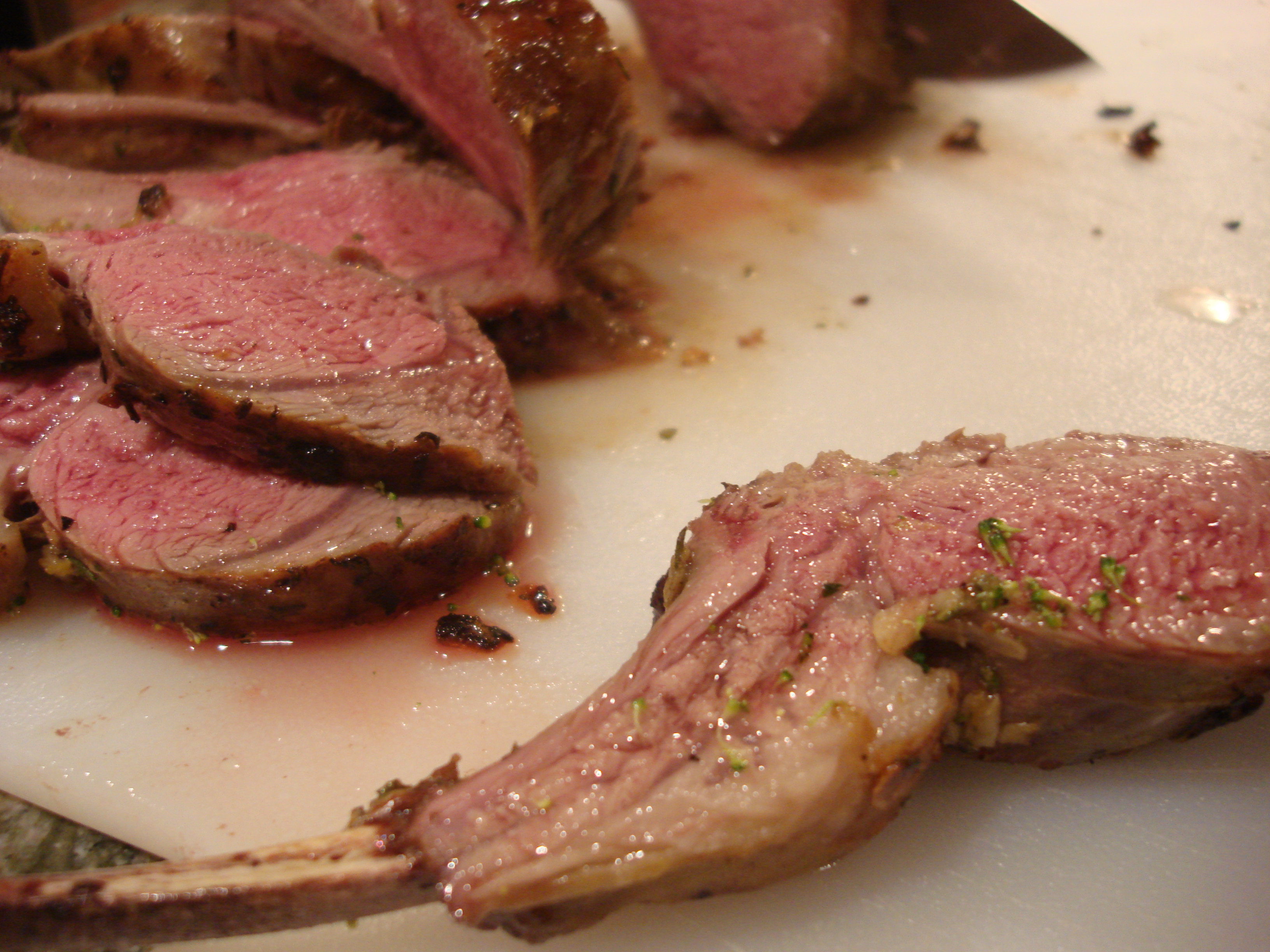
Here is yet another cameo appearance by Adriana, whose baby lamb chops sent Leandro over the moon (not least because he could grab them by the bone in his hammy little fist and tear meat off with his teeth like a caveman) and very nearly knocked me and Padushi off our pedestals in his culinary pantheon.

Adriana is a serious carnivore who likes the flavor of good meat to shine through. The mild flavor and tender texture of today’s baby lamb chops from Australia and New Zealand lend themselves to that kind of light hand in seasoning. Roasted potatoes and asparagus rounded off the meal – simple, straightforward, and balanced.

The meal was also festive — our celebration of the beginning of the holiday season —  so we grown-ups opened with a pear and goat cheese appetizer (which will be familiar to regular readers) and some prosecco, which I mention only because the photos are so nice that I’ve decided to include one here! The kids…well they opened with some sort of Trader Joe’s-type semi-virtuous cheese doodles, so we’ll just leave that one alone! And they did great justice to the real food, so not to worry!

Wishing you happy and delicious holidays!

Natalia

Adriana’s Baby Lamb Chops

7 cloves garlic

1 tsp whole black peppercorns

2 medium springs rosemary – stems removed and leaves minced

¼ tsp salt

3 lbs Frenched baby lamb racks (two racks)

Adobo powder to taste

½ Tbs extra virgin olive oil

Pound garlic, peppercorns, rosemary leaves and salt in a mortar and pestle until they form a paste.

Rinse lamb racks and pat dry. Sprinkle liberally with adobo powder on both sides. Massage both sides with garlic rub, concave side first.

 Preheat oven to 425°.

Heat  olive oil in a cast iron pan or other heavy pan on medium high. Sear each rack, starting with the meaty side down, about 3 minutes each side.

Place racks on roasting pan, meaty side up and cook in oven until meat thermometer reads 125° for rare ribs or 130° for medium rare, about 20 minutes.

Serve with roasted vegetables.

Banana Maple Walnut Muffins

22 Dec

I’ve crossed to the dark side and I am never-ever-ever going back. After years of greasing — and subsequently washing — four trays of mini-muffin baking cups (that is 48 — forty-eight, count ’em– little tiny cups each with its own pain-in-the-cuticles little edge that gets full of burnty-bits because, of course, they are also a pain-in-the-cuticles to grease) I finally bought some paper muffin cup liners and I don’t think I’ll ever bake naked again.

Good thing, because this is a nice little recipe that I would like to do again, but might have put it off because of the aforementioned greasing and washing thing.

Full disclosure: Leandro is usually deeply involved in all baking activities. This time, however, he had a friend over and they didn’t feel like it and they were very happy (meaning: not bothering me) so, why eff up a good thing? Also, in retrospect, the many tiny 1/4 teaspoons of this and that really aren’t suited to baking with kids who prefer to throw puffs of flour and baking soda around. So I went ahead and made these myself – his little friend’s mom arriving just in time to help me fill the cups – and had a lovely time.

This was a big hit with my colleagues and everyone else who tried them. Leandro was not so keen (today I seem to have a great deal to disclose, don’t I?), at least he wasn’t at first, but later warmed up to them and loved them in his lunchbox with yogurt for dipping. Oh yes, and the original recipe comes from Food to Live By, by Myra Goodman of Earthbound Farms fame!

Note about the maple syrup: I am pleased to say it comes from New York State! Sugar Brook Maple Farm in Kerhonkson, NY (845-626-3466) to be exact. It is lovely and rich and mellow and thanks to Hatti and Emma for pointing it out to us on our (somewhat) recent visit to her place in New Paltz!

Banana Maple Walnut Muffins

2 Cups flour (mix of whole wheat and white is fine; all whole wheat is too heavy)

1.5 tsp baking powder

¼ tsp baking soda

¼ tsp salt

¼ tsp ground ginger

¼ tsp ground cinnamon

2 large eggs

½ cup pure maple syrup

½ cup firmly packed light brown sugar

1/3 cup whole milk (lowfat is okay)

¼ cup vegetable oil

¼ tsp vanilla extract

2 Cups mashed very ripe bananas (4-5)

¾ Cup walnuts, chopped fairly fine

Position rack in center of the oven and preheat the oven to 375°. Line muffin tins with liners or grease with butter.

Place flour, baking powder, baking soda, salt, ginger and cinnamon in a large bowl and combine well.

Place eggs, maple syrup, brown sugar, milk, oil and vanilla in a medium bowl and whisk to combine well. Add the bananas and stir to combine.

Add the banana mixture to the flour mixture and stir with a rubber spatula until just combined. Fold in the walnuts. Do not overmix or the muffins will be tough. Spoon the batter into the muffin cups, filing almost to the brim.

Bake muffins until golden and a toothpick inserted into the center of one comes out clean (13-15 minutes for mini-muffins; 20 – 30 for standard-size muffins).

Let tins cool on a wire rack for 10 minutes, then remove. They will keep for about three days in an air-tight container. Reheat for 10 seconds in a microwave or 350° oven for 5-10 minutes.

French Chicken in a Pot

20 Dec

In case you were wondering (TW, Donna, Lesly, Trish, and Steve in particular!) what I did with the last two pastured birds from the Restoration Farm Chicken Project…well let me catch you up!

Those new to the blog should know that we participated in a pilot pastured chicken share at our C.S.A. initiated by Trisha Hardgrove. The birds, five in all, were raised out on the farm, grazing and eating organic feed and processed right on-site. They were extraordinarily tasty and the texture was beautiful. So far I’ve done a traditional Asopao de Pollo (Soupy Chicken and Rice), a Rosemary-Lemon Roasted Chicken, and a Tandoori-Style Roast Chicken . My dad did the fourth in a lovely and warming chicken noodle soup, but I don’t have the recipe for that.

For the fifth and final bird of the season I went with another Cook’s Illustrated recipe, with, once again, only the very slightest modifications (a bit more rosemary, for example). The skin wasn’t crispy, but O.M.G. the tender savory chicken and the PAN JUICES. Wow. The secret is the Dutch Oven and not roasting your side vegetables in the same container, as they release a lot of liquid and dilute the chicken juices.

The instructions may look a bit long, but it is really easy – prep and forget. Effortless excellence!

I did oven-fried sweet potatoes separately for this one.

French Chicken in a Pot

You need a 6-quart Dutch oven with tight-fitting lid for this recipe

One 4.5-5 lb chicken, giblets removed

Salt and pepper

1 Tbs olive oil

1 small onion, chopped roughly

1 small rib celery, chopped roughly

6 garlic cloves, peeled and smashed

1 bay leaf

2 sprigs fresh rosemary (if desired)

½ – 2 tsp fresh lemon juice

  1. Place oven rack on lowest position and hear oven to 250°. Pat chicken dry with paper towels, season generously with salt and as much pepper as you see fit. Tuck wings behind back.
  2. On the stovetop, heat oil in Dutch oven over medium heat until just smoking. Add chicken, breast side down; scatter onion, celery, garlic, bay leaf, and (optional) rosemary sprigs around chicken. Cook until breast is lightly browned, about 5 minutes. Using wooden spoon inserted into cavity of bird, flip chicken breast side up and cook another 6-8 minutes, until you get nice browning on chicken and vegetables.
  3. Off heat, cover top of pot tightly with aluminum foil and cover with lid. Transfer pot to oven and cook chicken until breast registers 160° and thighs register 175°.
  4. Transfer chicken to carving board, cover loosely with foil and rest for 20 minutes. Strain chicken juices from pot through a strainer and discard the solids. Let juices settle for 5 minutes , then set over medium heat in a saucepan. Carve chicken, adding additional juices to saucepan. Season with lemon juice and salt and pepper to taste. Serve chicken, with the sauce passed around separately.