Archive | Comida Criolla RSS feed for this section

One Week to Our First Pastured Chicken: Final Selection of Recipe Has Begun!

15 Jun

Leandro's first homegrown peapod

Just before this week’s visit to Restoration Farm, we went out into our yard where Leandro picked the very first pea pod from a plant he himself started from seed! We were very pleased, even though the peas weren’t so tasty raw. This was a random variety from a garden show craft, so we have high hopes for the others we planted – Burpees Garden Sweet (organic). His eyes reflected the magic of a seed transforming into food.

Trish and one of her flock

Then at Restoration Farm, we visited that other transformation into food; Trisha tells us that the pastured chickens are a week away from our cooking pots. They will be seven weeks and one day, and — we hope — about five pounds. She had initially planned to go to eight weeks, but due to the window of opportunity for processing and the fact that they are getting slower and heavier and more prone to disease, she figures next week is it!

Ignorance is bliss


Leandro still finds the chickens stinky (and really, they are pretty pungent at this point) and was more interested in drawing sweet beads of nectar out of the honeysuckle blossoms that are exhaling seductive breaths of fragrance all over the farm these days. He learned the art of drawing out the style from Farmer Steve and then taught me! Delicious.
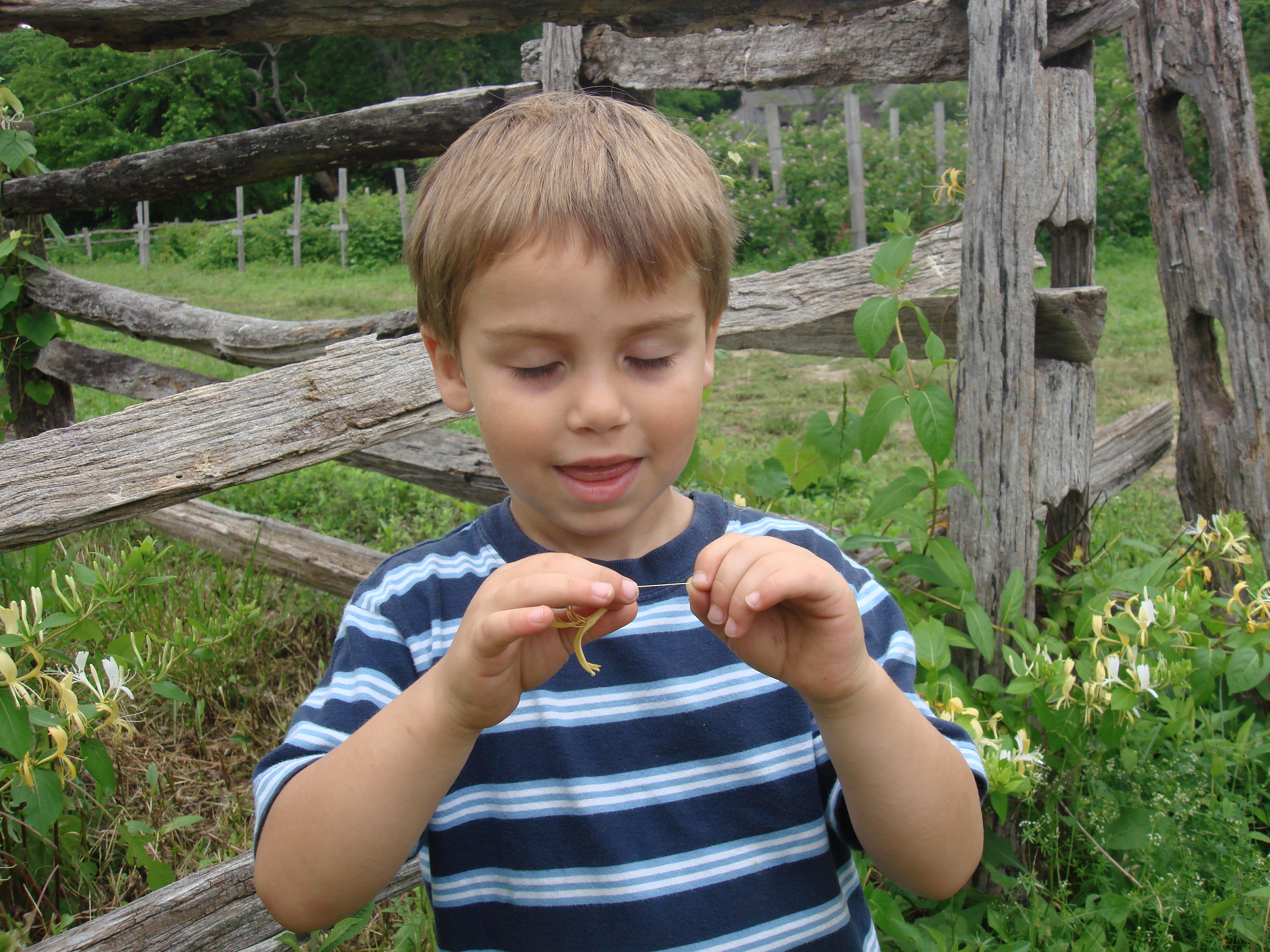
Honeysuckle gives it up for Leandro

So now I am planning what to do with my first bird. As I expect it to be less fatty and moist than a factory bird or even an organic chicken from a large facility, I am thinking about dishes that will help contain the moisture and make the most of the added flavor that a slightly more muscular bird will have. I also want to do something that is already in Leandro’s growing list of delectable foods, so as not to risk some refusal. And then there is the desire to honor my Caribbean forebears who lived off the land (some still do, at least in part).

So… I’ve got two ideal candidates from the criollo* canon: arroz con pollo: chicken and rice,or asopao de pollo: soupy chicken and rice. Feel free to share your thoughts and opinions on which one it should be!

*Criollo or Creole refers to the generations of colonialists actually born in the colonized place. In the case of Puerto Rico, the Spanish were the first Europeans to settle. They remained Spaniards, but their offspring born on the island (in many cases, half European and half native) were known as criollos – not quite European, but not quite native, either. Criollo cooking (like Creole in New Orleans, for example), reflects the meeting of different worlds of cooking ingredients and techniques.

¿Que qué? ¡Quesadillas! (Camp stove friendly)

9 Jun

Finger food supreme

One day I will be an eater of sandwiches.

But for now aside from the odd grilled cheese, I am not a sandwich girl. Just don’t like all the bread, the sliced deli meats, cold salads inside…I just don’t get it. Unless of course it is a pressed Cuban sandwich, con todos los poderes, de Elegguá pa’bajo…you know, like real bread, toasted, mad quantities of stuff, greased up…I can do that. In Miami. Or San Juan de Puerto Rico (ah, Kasalta). Occasionally.

But not being a sandwich person in this American life is to miss out on a lot of convenience and portability. So, I have discovered the quesadilla. Take whatever you’ve got in the fridge, spread it over half of a tortilla toasting in a skillet, sprinkle melty cheese, fold it, flip it, and allí está…a sandwich worth eating. Slice it like a pizza and you can dip it into hot sauce too.

It worked very well on our camping trip. Leftover black beans, some Monterrey Jack and sriracha and go, baby, go. Other things I have stuffed into quesadillas include pollo guisado; cheddar cheese and tomato slices; leftover sliced steak; roasted vegetables; sundried tomato and smoked mozzarella…all awesome and all done in no time, sealed with a kiss of cheese. You can slip avocado in the middle where it won’t get hot to give a lovely creaminess (plus health benefits, I am sure, but who cares?)

Quesadillas (with your choice of stuffing)

1 package of large soft tortillas (flour or corn)

a spritz of cooking oil on a good iron skillet or nonstick

1-2 cups filling (LEFTOVERS! cooked beans, cooked veg, stewed meat, sliced cooked meat)

couple of fistfuls shredded meltable cheese

1-2 Tbs herbs/hot red pepper flakes/salsa – it’s up to you to make the matches

Heat the skillet and the oil to medium. Lay a tortilla on it. Cover half with filling (Not too thick! Maybe 1/4 inch – you don’t want a mess). Sprinkle cheese (especially around the edge to make a seal). Fold the empty tortilla half over. Allow to cook a minute, then flip with fingers if you are daring, or a spatula. Turn a few times until a bit crispy and transfer to a plate. Start again with another tortilla. You can slice into wedges and serve with whatever condiments go with your filling.

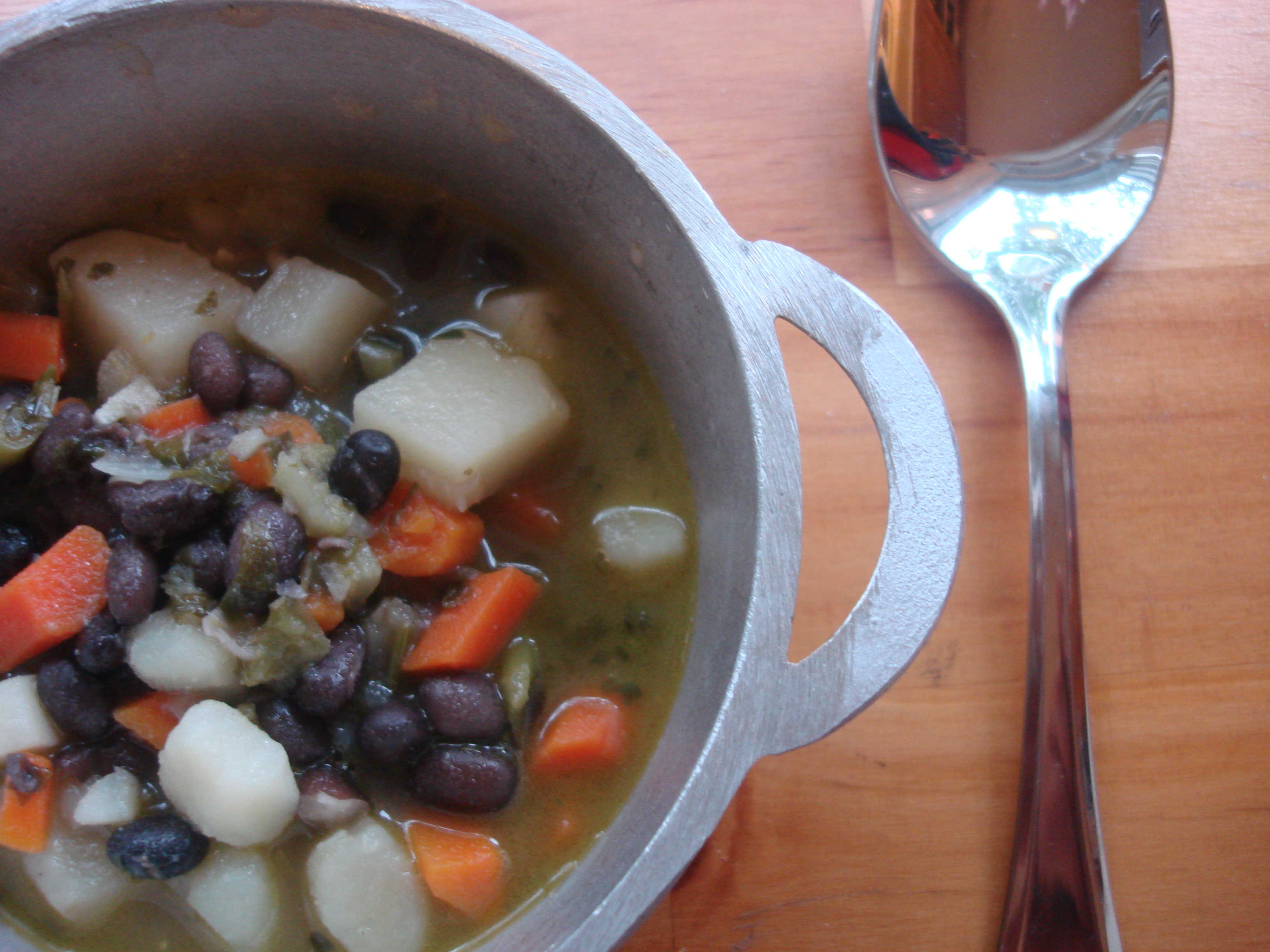
Black Bean Soup (Criollo Caribbean style – sort of)

29 May

¡Eso!

Black bean soup is the perfect blend of pragmatic and sexy. Black beans may be cheap and robust and there is no shyness to their flavor or definitive color – but they have a nutty subtlety that intrigues and keeps you coming back for more and wanting to try it new ways. They are happy in the company of the spicy as well as the subdued. Try this basic recipe first (it is broken down into easy steps, so it only looks long) and then start ad-libbing and improvising according to your tastes. Black beans are very sociable and get along with all sorts of flavors!

Black Bean Soup (with vegetarian options)

SOFRITO

2 oz salt pork in a single piece, scored – don’t cut through as you will remove it (skip if doing vegetarian soup)

2 Tbs extra virgin olive oil

1 cup yellow onion, minced

3 cloves garlic, minced

½ cup cubanelle or green bell pepper, minced (may mix or substitute with red pepper. Cubanelles are the pale green cooking pepper, sometimes called Italian cooking peppers)

6 culantro leaves, minced (if available. If fresh from the garden, 2-3 leaves should be enough. If you can’t find it, skip or add parsley)

1 Tbs cilantro, chopped (plus another Tbs chopped and reserved for garnish)

VEGETABLES

2-3 carrots, peeled and diced (about ½ cup)

2-3 stalks celery, diced (about ½ cup)

2 medium potatoes, peeled and diced (about 1 cup)

BROTH

1 quart chicken or vegetable broth

1 Tbs oregano (2 Tbs if fresh)

1 tsp cumin powder

BEANS

2 Cups black beans from dried (soaked overnight, water replaced in the morning and simmered for two hours in the afternoon) OR two 15 oz cans black beans, rinsed and drained.

Salt and pepper to taste

INSTRUCTIONS

SOFRITO

Heat 1 Tbs olive oil in a soup pot. Add salt pork and sauté until it has rendered much of the fat. Remove the salt pork and discard. Add remaining tablespoon of olive oil and warm it. One at a time, stirring to coat, add onion, garlic, peppers, culantro (recao), and cilantro. Saute at medium heat, stirring occasionally.

VEGETABLES

When the sofrito elements are translucent and limp, add the vegetables and stir to coat and cook till somewhat tender.

BROTH AND BEANS

Add broth and heat to boiling. If using soaked beans, add at this time with remaining spices and cook for 15-20 minutes, until tender. If using beans from a can, first cook broth and vegetables for 15 minutes, then add beans and cook for another five minutes.

(Optional finishing touches: Some folks, Cubans in particular, like to add a couple of teaspoons of red wine vinegar at the end to finish. You may like to serve with sliced or chopped avocado, dressed with a bit of red onion, squeeze of lime and salt. You can also serve over rice. I like to garnish with finely minced red onion, cilantro, and/or finely chopped hard-boiled egg. Sriracha is my current favorite hot sauce, but any hot pepper based hot sauce will spike this up nicely)

Pastelón de Yuca (Puerto Rican Shepherd’s Pie)

22 May

In an October post I gave you my recipe for Basic Seasoned Ground Beef (recipe repeated here, so don’t lose heart!) a Latin-style ground beef basic (similar to Carne para Rellenar, for the cognoscenti) that I make loads of at a time and freeze in serving size portions to be transformed into nachos, chili con carne (with the addition of red beans, tomato puree and chile pepper), ragu sauce for pasta (add Italian seasonings and tomato puree) or any number of things.

One of my favorite things to do with Basic Seasoned Ground Beef is make pastelón; the Puerto Rican equivalent of Shepherd’s Pie. It doesn’t take a lot of active prep (although it does require oven time in addition to stove top time) and it is a warming dish that will take everyone to their happy place. Click here for Pastelón de Platanos – Plantain Pastelón – another classic version of this dish). The more beef you use, the thicker it will be. You can also substitute Pollo Guisado (stewed chicken). The first section is the yuca preparation, but I also include the beef and chicken recipes in this post so you have them handy. Continue reading

Bacalao a la Vizcaribe (A classic cod dish reconstructed)

18 Mar
Scoopable cod!

For all these years I thought I was making bacalao a la vizcaína (salt cod, biscayne or vizcayan style), when I was really making a sort-of bacalao guisado (stewed salt cod)! I only found out yesterday, as I started soaking the cod for another Lenten Friday of fish. “Let me see how Valldejuli and Cabanillas make it,” I thought, referring to two classic Puerto Rican cooks whose recipes I have lived by over the years.

I expected some inspiration for innovation, but what I got was comeuppance. I was so shocked by what I found that I checked Penelope Casas’ more Iberian, continental recipes for the dish. And it turns out that what I have been telling people is my “Bacalao a la vizcaína” is actually something else, but not quite.

So, I am a little embarrassed, but nevermind, my bacalao dish is really good and easier than pie. It makes my parents happy. And, apparently, it is my own. Thus, the silly name change.

I hope to try the real vizcaína later in Lent (it looks to be even easier than my version), but for now, this one is more than satisfactory and includes much of the same things: salt cod, onions, garlic, tomatoes, raisins, capers. It’s got salt, sweet and spice (if you like). It is rich without being heavy. This is a stew that goes well with rice, with potatoes (dressed with parsley and olive oil), with avocado and with hard-boiled eggs. It also goes well with Mark Kurlansky’s incredibly entertaining book Cod: A biography of the fish that changed the world which will enlighten you about why so many peoples in this world will go through the trouble of desalinating and cooking such a strong-tasting, strong-smelling fish. If you come from a seafaring nation, particularly bordering the Atlantic/in the Caribbean, it is part of you and you just can’t help it.

Bacalao al la vizcaribe

1-1.5 lbs salt cod, soaked overnight in cool water and then some more the next day, with at least two changes of water*

3 Tbs extra virgin olive oil

1 large onion, finely diced (yellow or big, fat, sweet are recommended)

1 green cooking pepper (cubanelle, Italian), finely diced

1 red pepper, finely diced (and a tsp of red pepper flakes, if you are so inclined)

4-5 cloves garlic, minced

1 24oz can peeled, diced or pureed tomatoes, chopped if necessary

¼ cup raisins

1 heaping Tbs capers, drained indifferently

15 green pimiento-stuffed olives, drained indifferently

Accompaniments: (choose one or more, mix and match) four hard-boiled eggs, sliced in half; avocado slices; boiled potatoes dressed with parsley and olive oil; rice; crusty bread toasted)

Heat olive oil in a pot on high and add onion. Stir to coat, then lower heat to medium and sauté until wilted. Add peppers and garlic and sauté another five minutes or more, until translucent.  Add the tomato and bring to a boil. Add cod (no need to break it up; it will fall apart in the cooking and stirring), raisins, capers and olives, lower heat and simmer (covered if it is not very liquid; uncovered if it seems very watery) for at least 20 minutes at a gentle bubble, stirring occasionally. Serve with you choice of accompaniments.

*Many people are afraid of salt cod or bacalao because of the salt. I find that an overnight soak with several changes of water does the trick. But if you forget to soak it the night before, boil a pot of water, drop the bacalao in for five minutes, drain and rinse thoroughly and you should be fine.   I actually add salt sometimes in the end!)


Rice and Beans: A Love Story

14 Feb

We eat a lot of rice and beans around here and you should too. At less than a dollar a can (one day I will soak my own, but for the moment, the canned will do fine) and just minutes in the making, they solve many an issue in this household. And with all the protein and roughage they pack, well, they give a lot of nutritional bang for the buck.

Having said that, I don’t actually do classic Puerto Rican rice and beans often. It’s a lot about ingredients and disappointment. Nothing ever tastes as good as you remember it. No one (except certain Dominican kitchen geniuses) can do it quite the way Abuelita (or Titi) used to. And some ingredients don’t grow here or travel well. So, recognizing that my expectations far outway any realistic possiblities of fulfillling them, I opt out. And daydream.

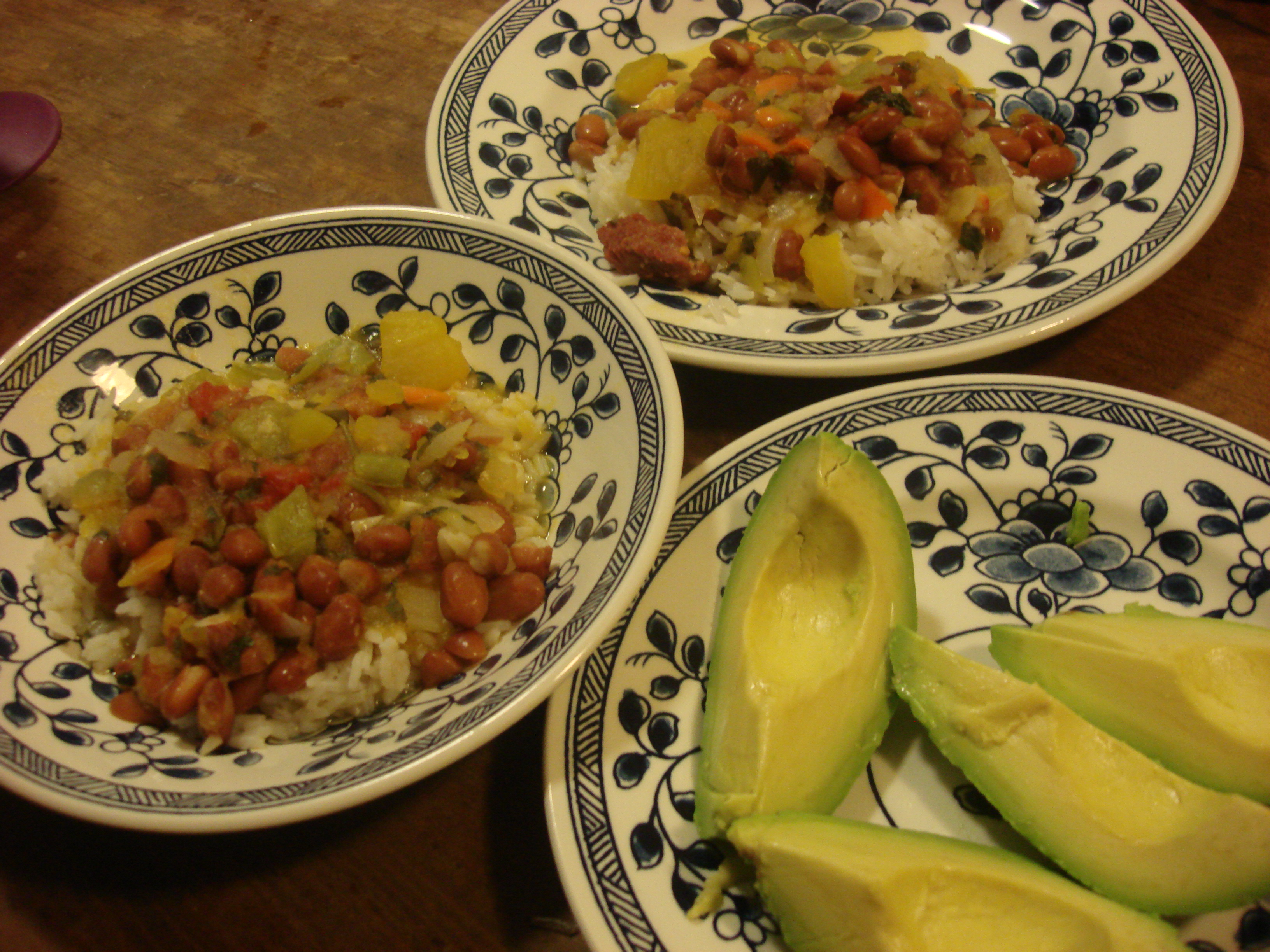
arroz con habichuelas

arroz con habichuelas

But…if you can’t be with the ingredients you love, honey, love the ones you’re with.

Love the ones you’re with.


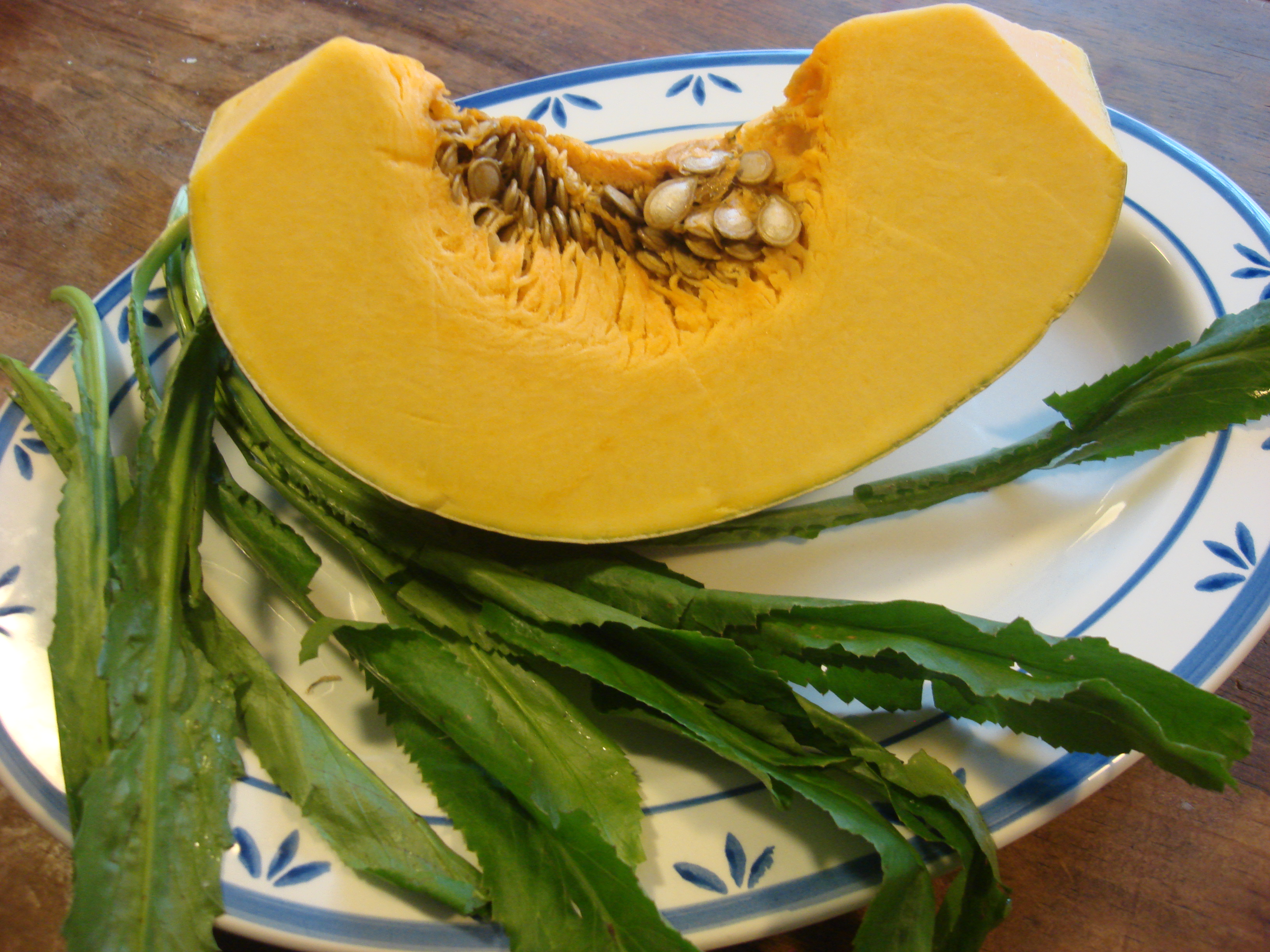
calabaza and sawtooth coriander

calabaza and sawtooth coriander

So in celebration of Valentine’s Day, I will stop the silly nostalgia for meals never again to be equaled, the yearning for ingredients elusive, the disdain for what is offered right in front of me. I will share a recipe for Puerto Rican rice and beans that embraces, not fantasy, but reality. It is not what could be, but what actually is. It may not be exactly what I dream of, but it provides exactly what I need, and my heart swells in gratitude.

And that, my dear readers, is true romance, true love, true bliss.


Authentic arroz con habichuelas

Authentic arroz con habichuelas

Born on the Moon Beans

Puerto Rican independentista and poet Juan Corretjer once penned “Yo sería borincano si naciera en la luna” or loosely translated: “I would be Puerto Rican even if I had been born on the moon.”

It is the heartsong of millions on the island and in the diaspora, including me, as it happens! So….Beans Born on the Moon, seems an appropriate name for this dish.  It is ingredient-heavy, but easy to assemble once everything is chopped.

Ingredients

  1. 1lb calabaza caribeña (Caribbean pumpkin) OR 1 lb. acorn squash, washed, cut in half, seeds removed and cut into big chunks (you can cut the rind off before boiling or peel it off after). It should be boiled for 15 minutes, or until tender. Set aside and reserve ½ cup cooking liquid.
  2. ½ lb salt pork, diced (don’t discard the hard rind, just score the fat as best you can). You can also use ham steak – readily available in the supermarket
  3. SOFRITO

(sofrito is the roux, the mirepoix, the basic saute seasoning of Puerto Rican cooking and is very difficult to reconstruct in the mainland U.S., which is why Goya makes a fortune selling it in jars. So if you can get most of the ingredients for sofrito at the local bodega/supermarket, then do this! –actually, quadruple or quintuple it and freeze it in ice cube trays for use later. Otherwise, buy commercial sofrito and use a couple of heaping tablespoons)

½ onion, minced (about ¾ Cup)

1 cubanelle (long green Italian cooking) pepper, seeded and diced

Five or six ajíes (non-spicy green peppers that look exactly like scotch bonnets/habaneros, but are not at all spicy! Taste them! They are hard to find), seeded and diced. Use another cubanelle – the redder the better — if you can’t get these.

Five or six hojas de recao – culantro leaves- chopped. Not to be confused with cilantro, these look like dandelion leaves without the curvy sides. They are hard to get, usually come from Costa Rica and their potency disappears quickly after cutting. I actually grow my own in the summer, which takes forever and yields very little in my part of the world. If you find them, use them as soon as you get them home! If you can’t find them, buy the sofrito WITH culantro

3 Tbs tomato paste or pureed tomatoes (optional)

1 Tbs dried oregano (2 Tbs fresh)

2 Tbs chopped fresh cilantro (optional)

  1. two 15-oz cans pink beans (habichuelas rosadas), rinsed and drained

While you are boiling the calabaza, heat the pork in a heavy pot. Cook it through and remove the scored rind. Leave the diced meat. Add a bit of olive oil, if necessary, then sauté the sofrito ingredients until tender, adding optional tomato at the end. Add beans. Add cooked calabaza and the reserved liquid. Cook for 15 minutes and serve on white rice.